





LOCALLY ROOTED.
FEMINIST.
BUILDING RESILIENT COMMUNITIES.
AVAS is a feminist, women-led development and humanitarian organization working with communities to advance rights, equality, dignity and resilience.
Since
Community-Led Development
Ongoing Projects
As of October 2026
Total Participants
Current Year- 2026
Yearly tarnover
In BDT. FY- 2025-26
Community-Led Change Since 1998
Association of Voluntary Actions for Society (AVAS) is a non-profit, non-political and community-based Feminist organization headquartered in Barishal, Bangladesh.
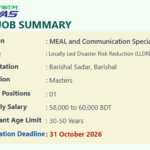
Vacancy Announcement
Other Circulars and News

Our Thematic Areas
We work alongside communities to build an environmentally responsible, gender-sensitive, fair and self-reliant plural society.
Inclusive Development, Sustainable Livelihoods & Economic Empowerment
AVAS supports skills training, entrepreneurship, agriculture, market access, savings, financial services and climate-resilient livelihoods for marginalized people and youth.
Gender Equality, Women’s Rights & Empowerment
AVAS advances women’s and girls’ rights through leadership, economic empowerment, GBV prevention, legal support, equal participation and gender-transformative action.
Child Rights, Protection & Safeguarding
AVAS protects children from violence, exploitation, hazardous labour and child marriage while supporting safeguarding, education, health and psychosocial well-being.
Health, SRHR, Nutrition & WASH
AVAS improves access to health, SRHR and nutrition services while promoting safe water, sanitation, hygiene, disease prevention and adolescent-friendly healthcare.
Climate Change, DRR, Humanitarian Action & Environmental Sustainability
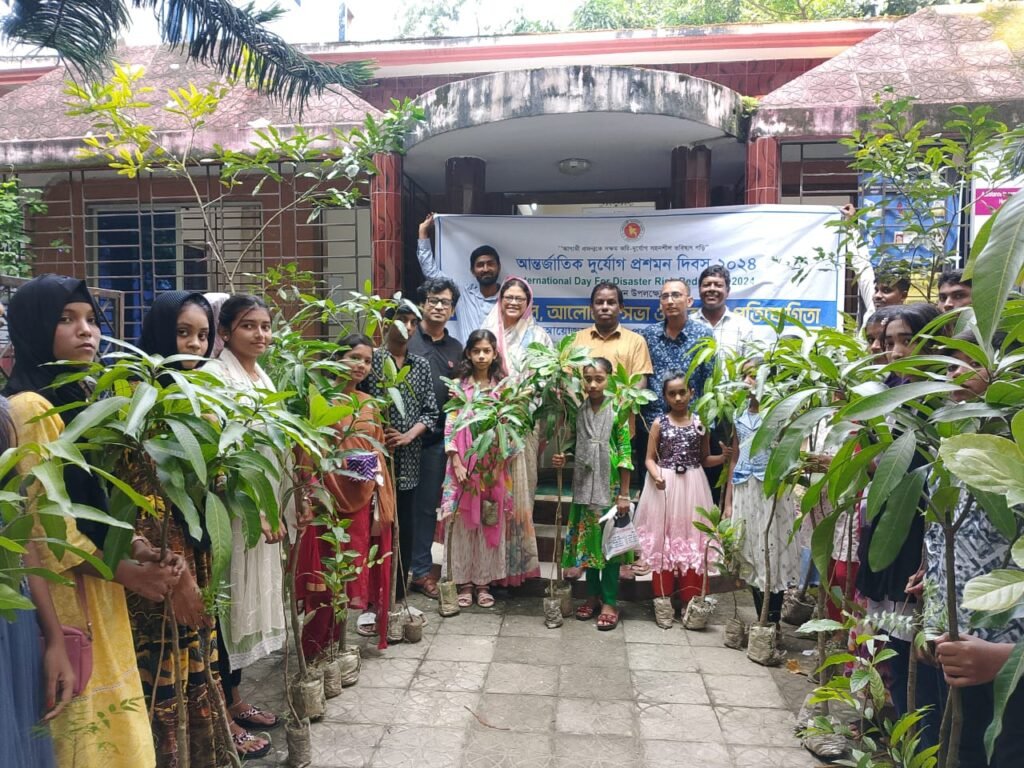
AVAS strengthens climate adaptation, disaster preparedness, early warning, anticipatory action, emergency response, recovery, green energy and ecosystem protection.
Education, Youth Development & Leadership
AVAS expands inclusive education, life skills, vocational and digital learning while strengthening youth leadership, civic engagement, volunteerism and innovation.
Good Governance, Human Rights, Social Inclusion & Accountability
AVAS promotes human rights, legal empowerment, inclusive local governance, public accountability and participation of persons with disabilities and excluded groups.
History of Humanitarian Activities
From Emergency Response to Anticipatory Action
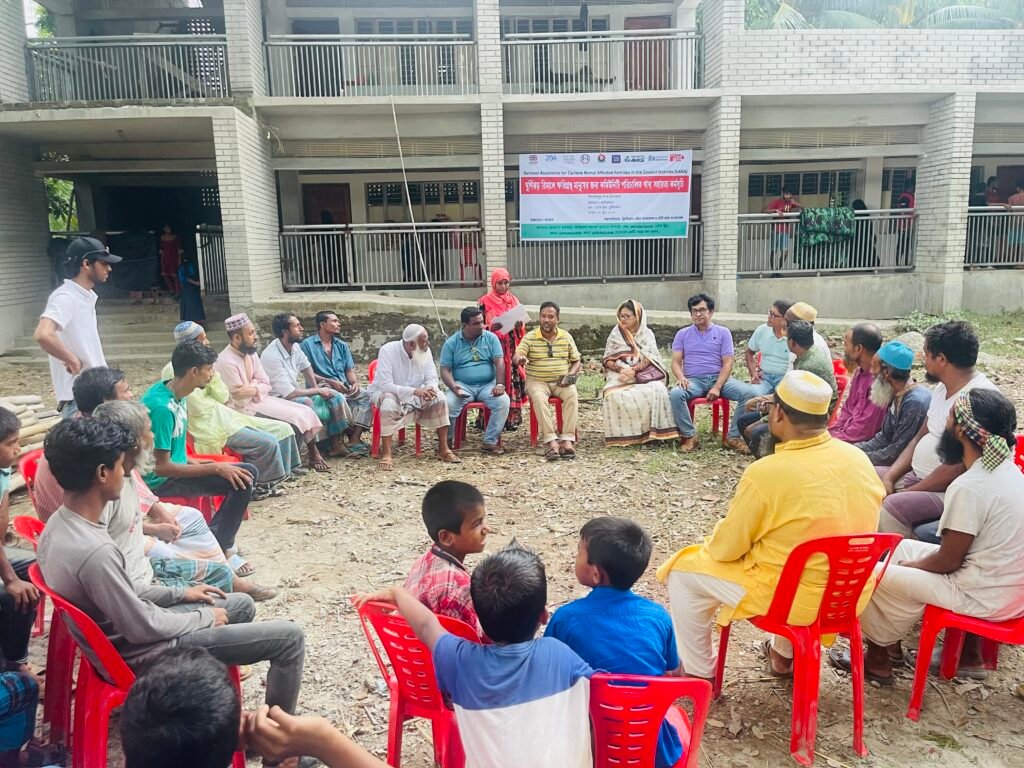
AVAS has extensive experience in humanitarian response and disaster management across coastal Bangladesh, supporting communities affected by cyclones, floods and other emergencies. Its work includes anticipatory action, cash assistance, food, shelter, WASH, protection and livelihood recovery. With trained teams, prepositioned emergency supplies and strong community and local government relationships, AVAS combines timely response with disaster preparedness, inclusive risk reduction and long-term resilience building.
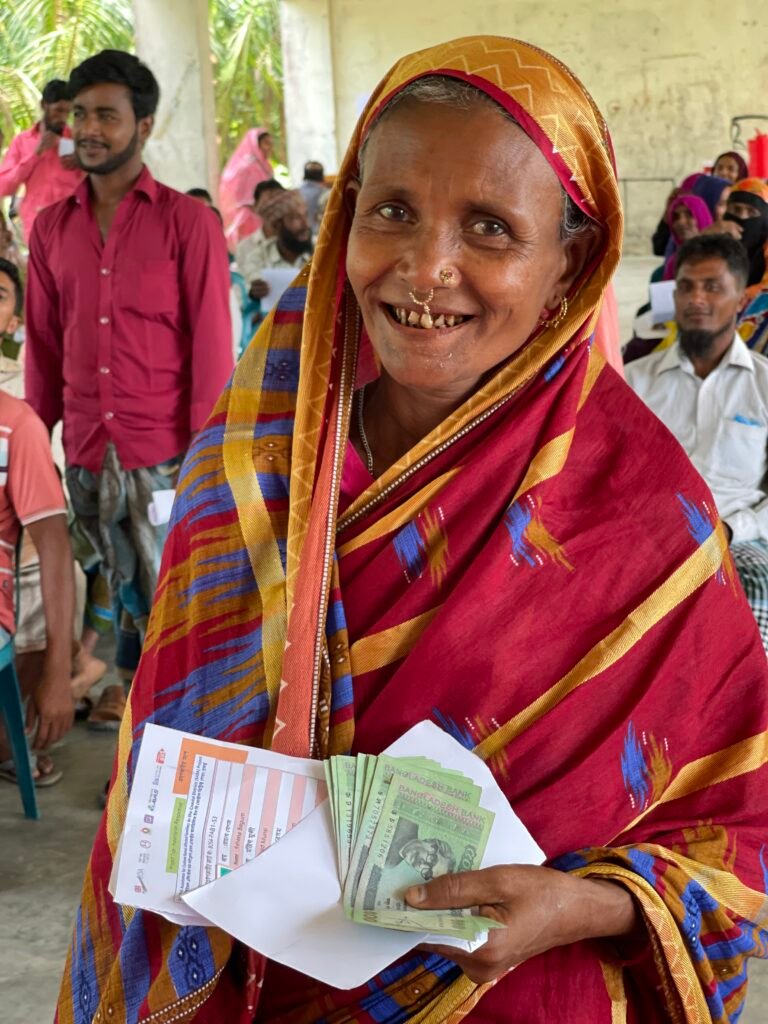
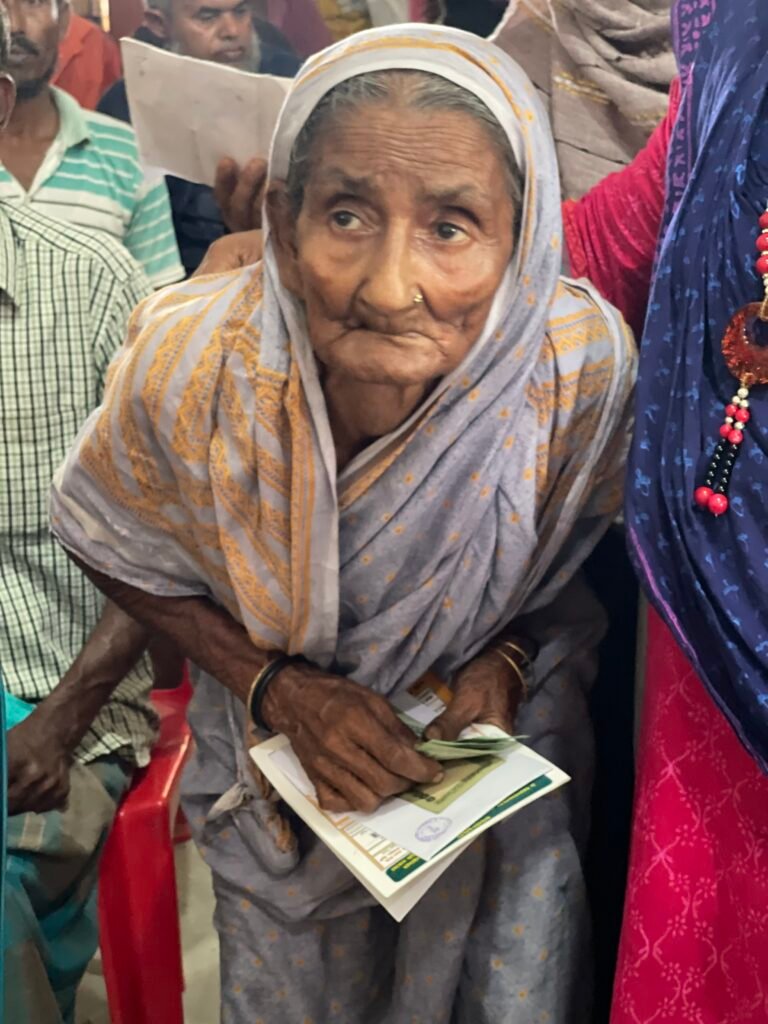
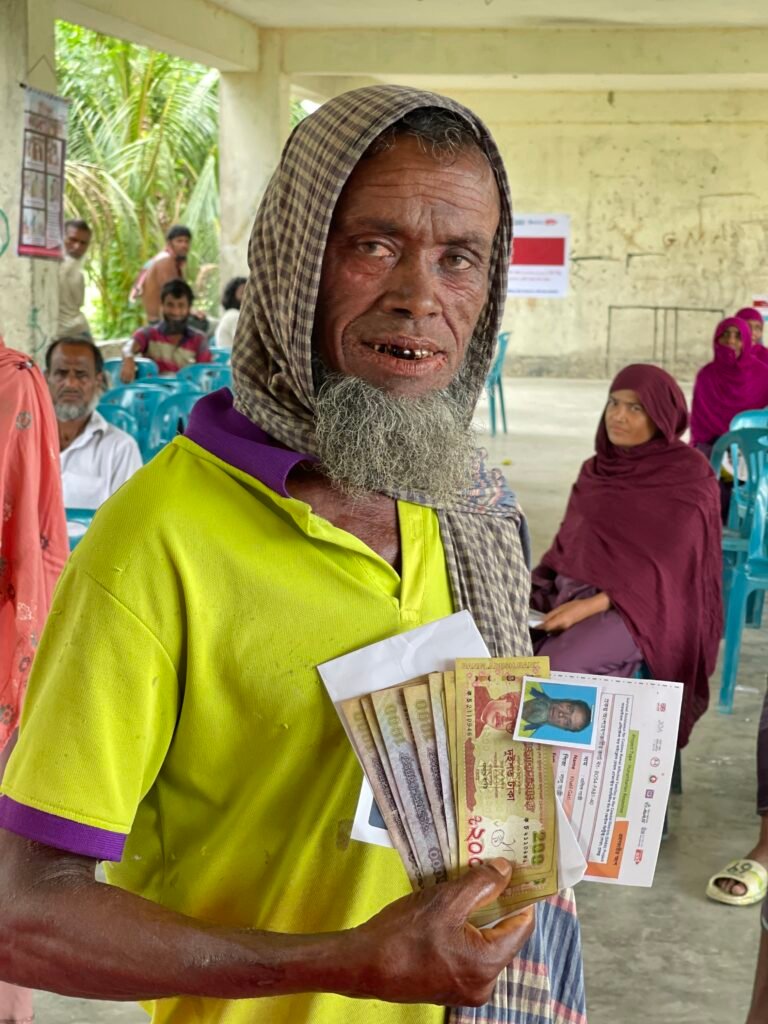
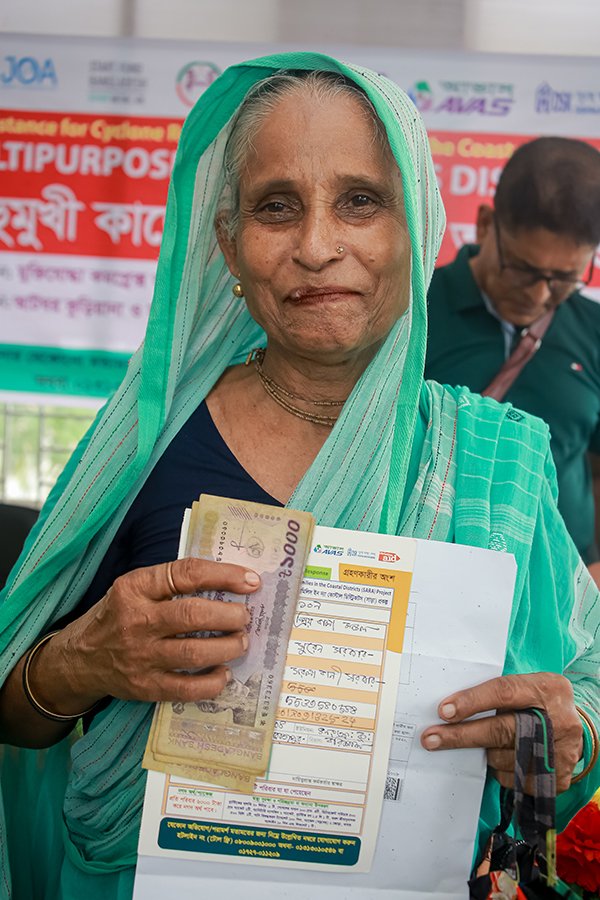
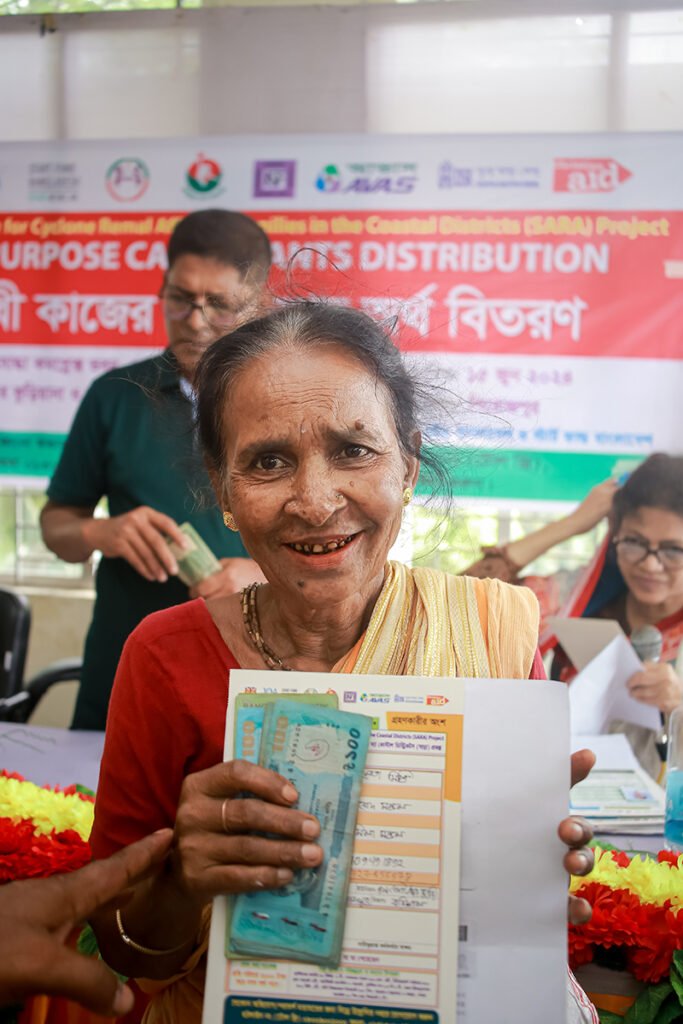
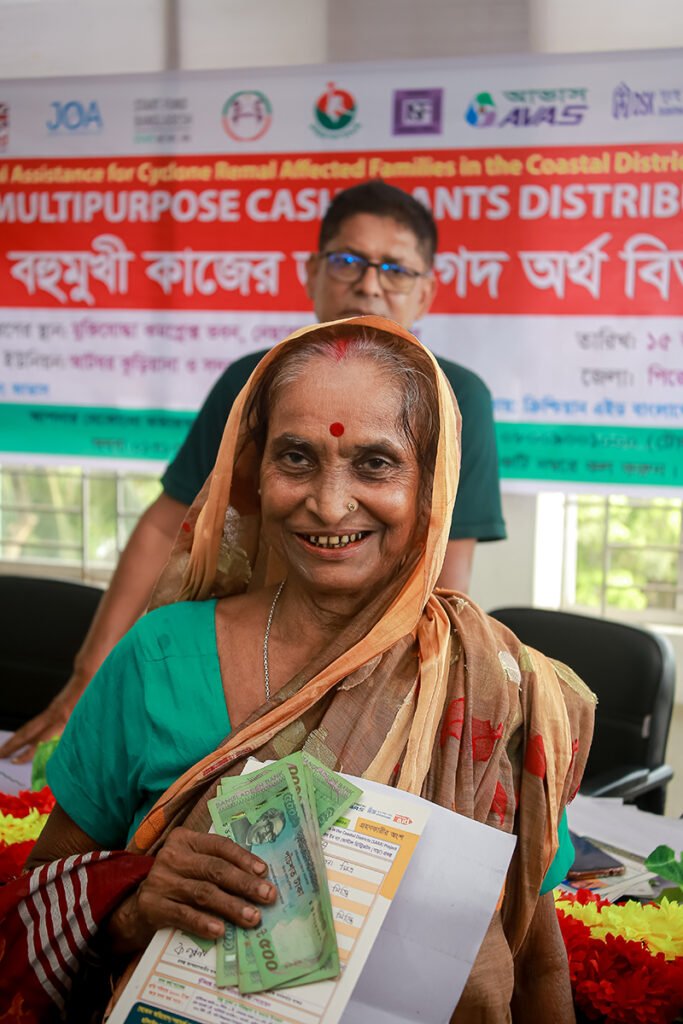
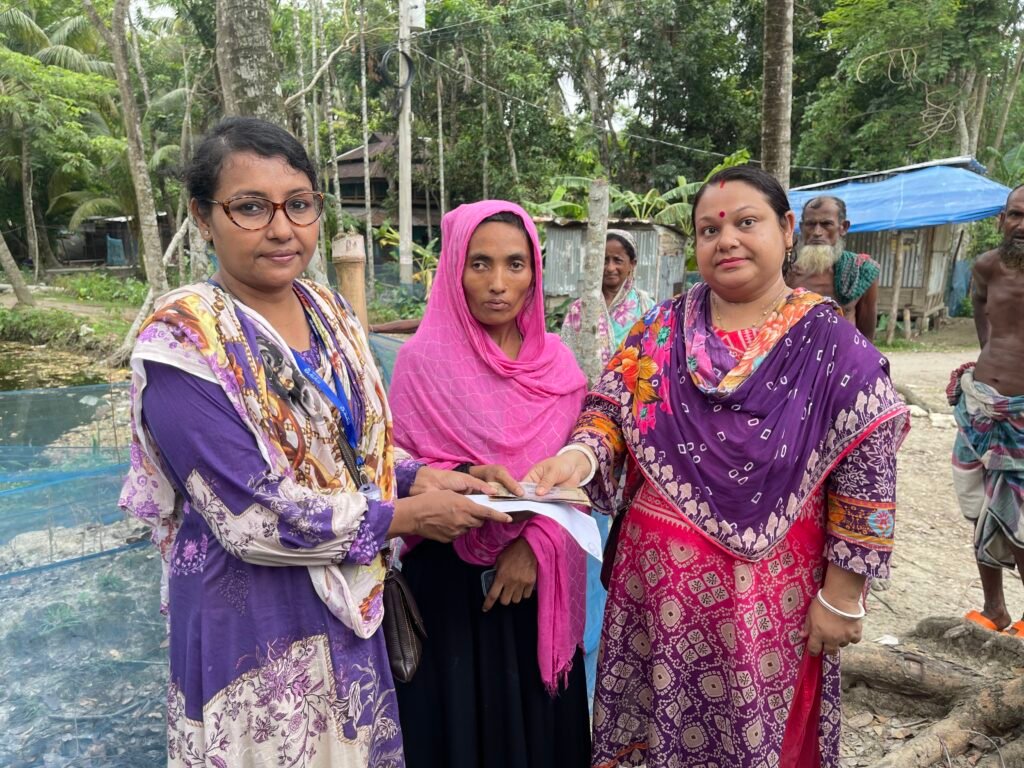
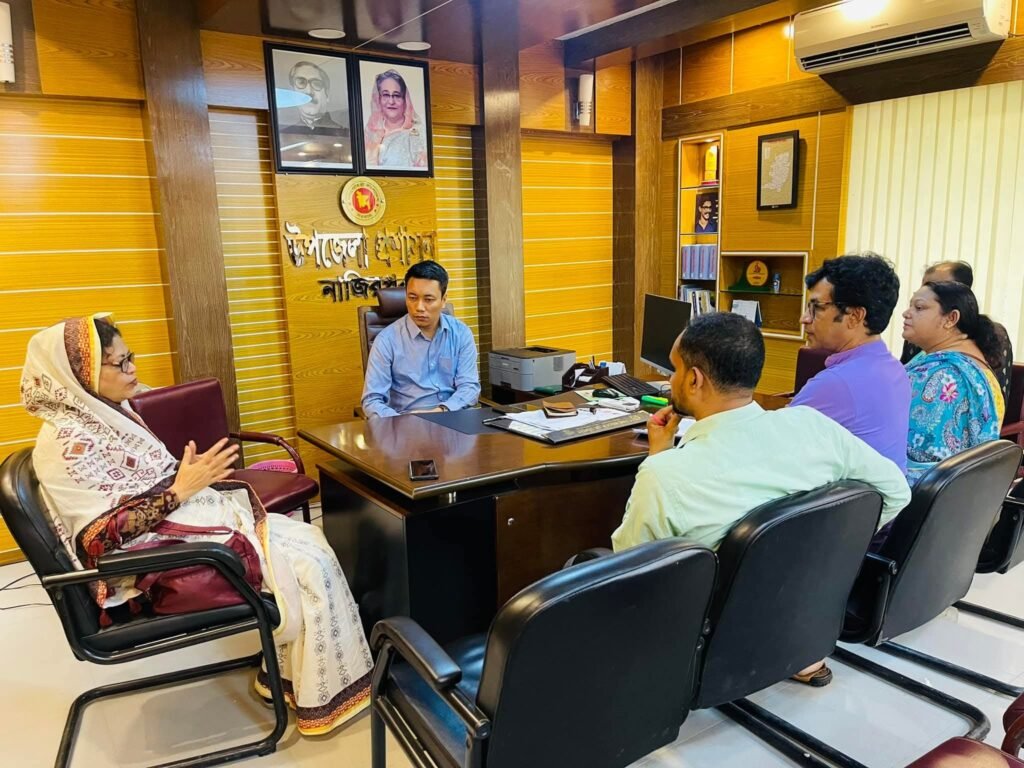
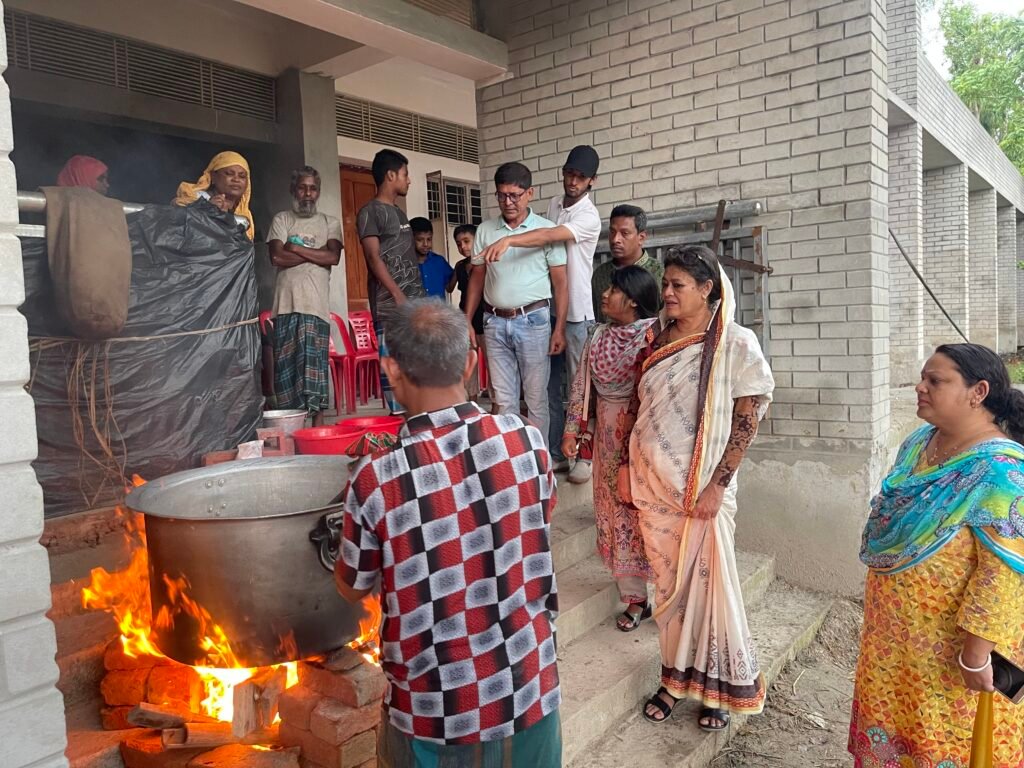
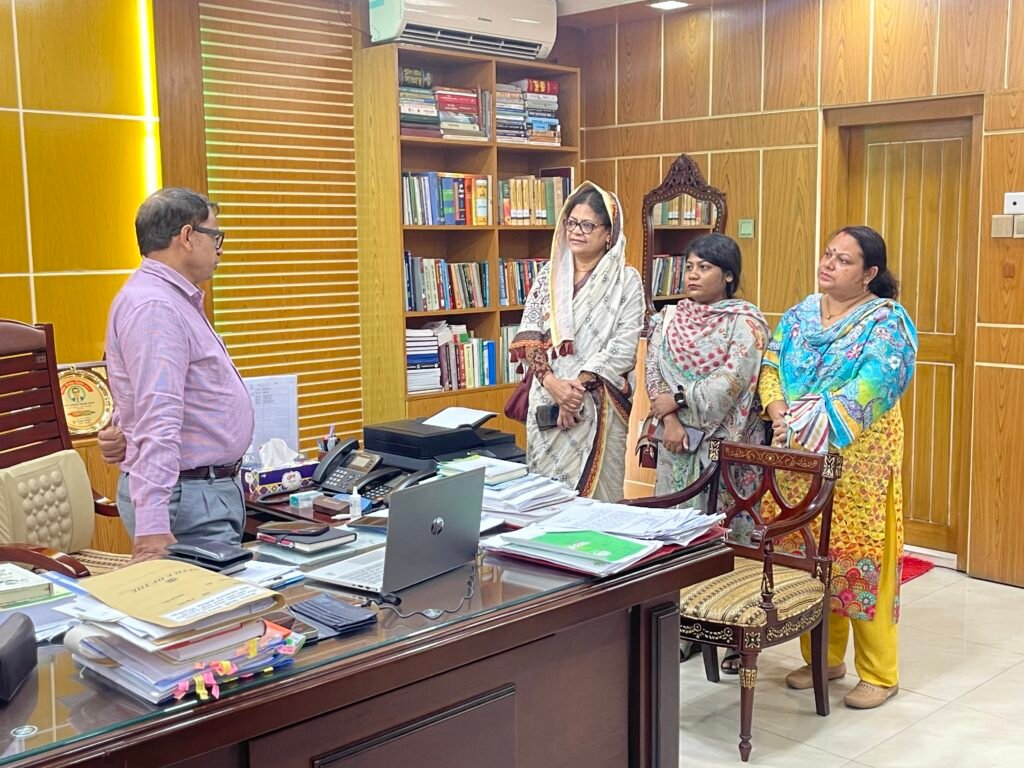
AVAS combines extensive humanitarian response experience with strong operational readiness and trusted local relationships to deliver timely, accountable and inclusive assistance across coastal Bangladesh. Its experience includes responses to Cyclones Sidr, Fani, Bulbul, Amphan and Remal, flood relief, anticipatory action and early recovery, providing multipurpose cash assistance, food, shelter, WASH, dignity kits, protection referrals and livelihood rehabilitation. AVAS also strengthens community resilience and disaster risk reduction through cyclone shelter improvements, early warning, evacuation drills, trained volunteer teams, search-and-rescue equipment, climate-resilient livelihoods and ecosystem-based adaptation. Its emergency readiness is supported by established policies and procedures, trained personnel, a bKash agreement for cash transfers, and a warehouse with prepositioned dignity and sexual and reproductive health and rights (SRHR) materials. Strong communication and coordination with communities, local administrations and local government institutions further support effective delivery. As a START Network member, a leader of two local organisation networks, and a participant in humanitarian platforms and networks, including CHS-related engagement, AVAS contributes to locally led coordination and humanitarian accountability. Its contingency partnerships with Concern Worldwide, Plan International, Oxfam, IRB and UNFPA further reinforce its capacity to connect emergency response with sustained recovery, resilience building and disaster preparedness.
FOCAL PERSONS OF AVAS
You can reach specific focal or any focal person for your opinion, suggestions or complaints
PSEA & RTI FOCAL PERSON

MD. ZOHURUL HSASN TALUKDAR
Director Fundraising & Organization Development, Trained PSEA Investigator, RTI Designated Officer, CAMELCO Focal.
Cell No
Address
: +8801712643569
: zohurul2002@avas.org.bd
: info@avas.org.bd
: AVAS Bhaban Amirkutir Lane, Alekanda, Barishal-8200, Bangladesh.
PSEA & RTI FOCAL PERSON
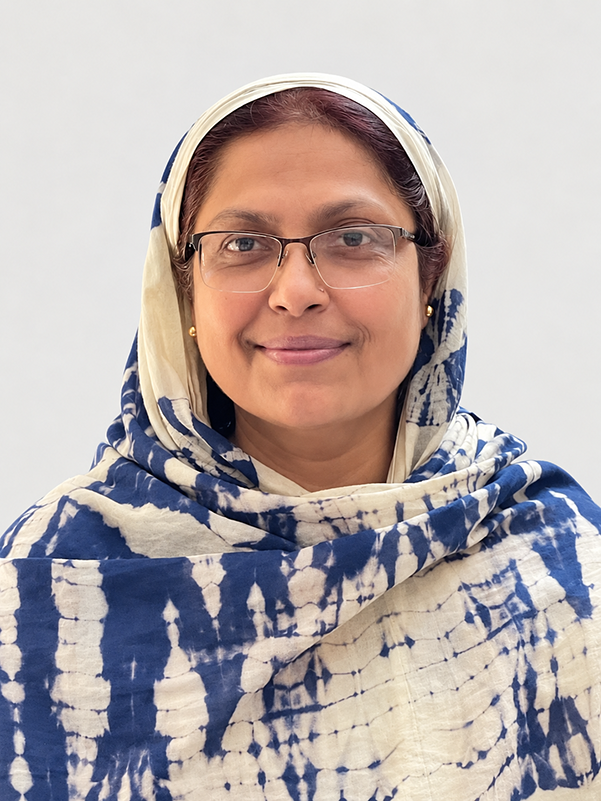
Umme saifunnesa
Director Finance & Administration, Whistle Blowing Focal, PSEA Focal.
Cell No
Address
+880 1805-012393
: zohurul2002@avas.org.bd
: directorfanda@avas.org.bd
: AVAS Bhaban Amirkutir Lane, Alekanda, Barishal-8200, Bangladesh.
PSEA & RTI FOCAL PERSON
Nasrin Khanam
MEAL and Documentation Officer, Trained PSEA Investigator
Cell No
Address
+880 1805-012393
meal.nasring@avas.org.bd
:avas.nasrin2019@yahoo.com
: AVAS Bhaban Amirkutir Lane, Alekanda, Barishal-8200, Bangladesh.
SAFEGUARDING Focal
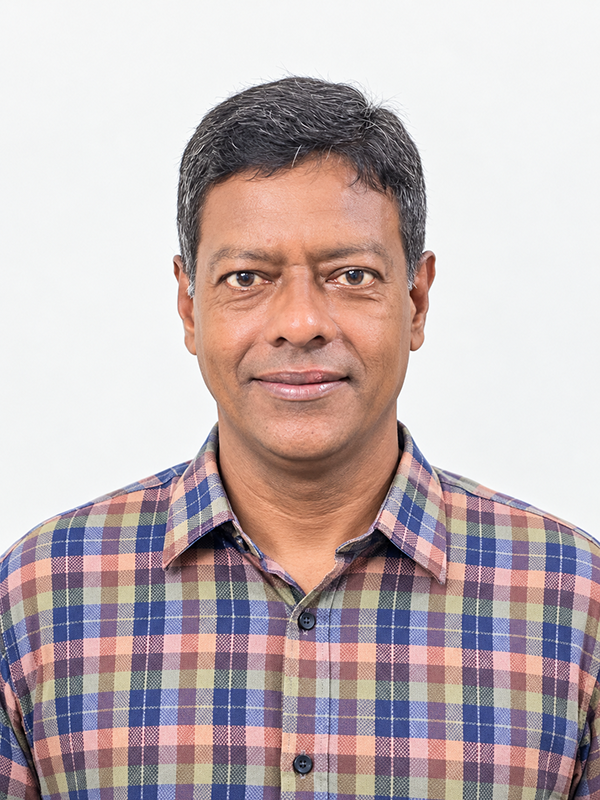
SANJAY KUMAR BISWAS
PM, Sponsorship Funded Project
Cell No
Address
: +8801749-095149
: pm.sfp.bhola@avas-barishal
:
: AVAS Bhaban Amirkutir Lane, Alekanda, Barishal-8200, Bangladesh.
মানিলন্ডারিং প্রতিরোধ আইন, ২০১২
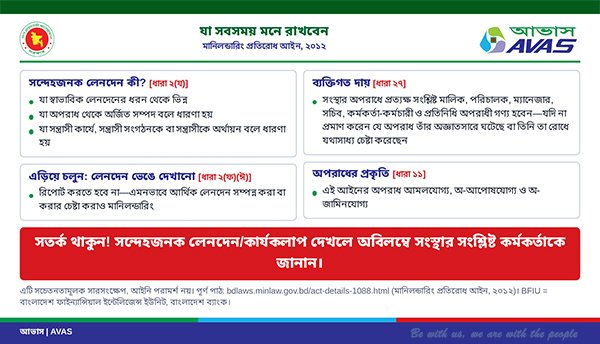
নির্ভয়ে তথ্য জানান। আপনার পরিচয়, গোপনীয়তা ও নিরাপত্তা সুরক্ষিত রেখে আভাস যথাযথভাবে অভিযোগ গ্রহণ ও সাড়াদান করবে।
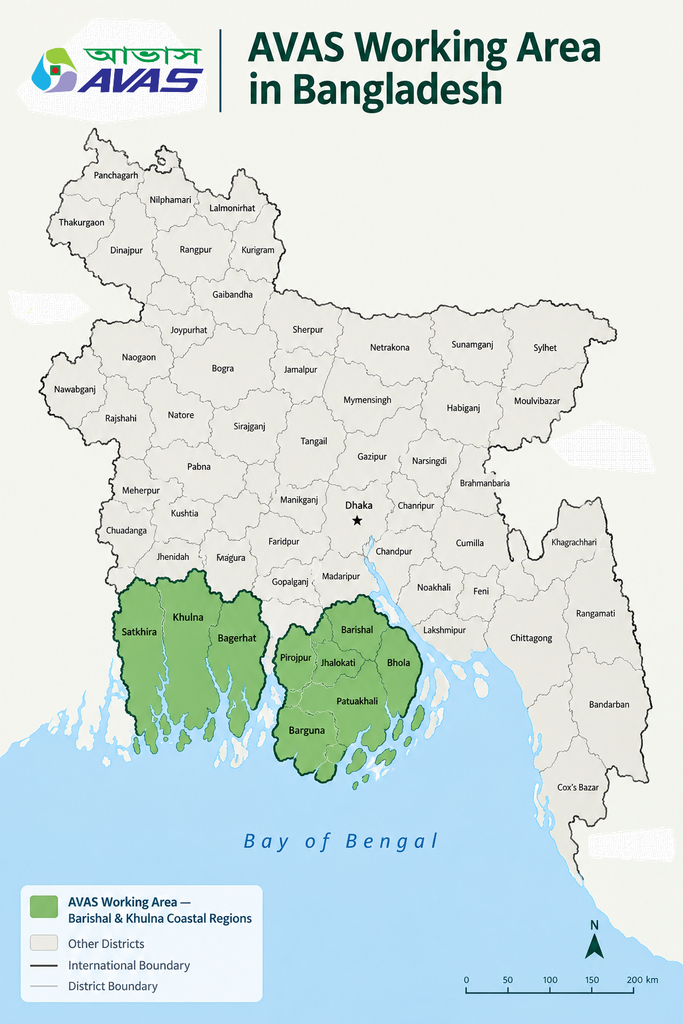
Working Across Coastal Bangladesh
From Barishal to climate-vulnerable coastal districts, AVAS works with communities, government institutions, civil society organizations and development partners to create inclusive and lasting change. Our community-based approach helps ensure that local priorities, knowledge and leadership remain at the center of every initiative.
SDG ALIGNMENTS
Latest News & Stories
Discover recent activities, community stories, organizational updates and insights from AVAS’s work.
-
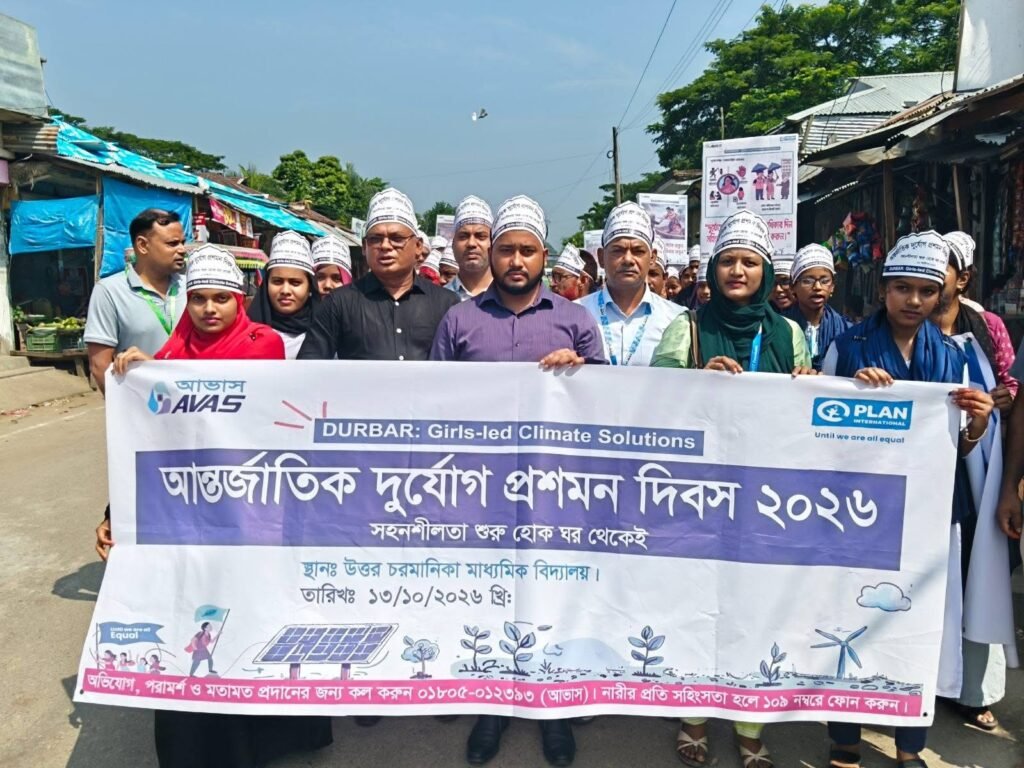
Durbar Project
ONGOING PROJECT Sponsorship Funded Project Climate Adaptation and Resilience Empowerment Implemented by Funded By Project Duration 1 Dec 2024 –…
-
Shift Asia
ONGOING PROJECT Sponsorship Funded Project Climate Adaptation and Resilience Empowerment Implemented by Funded By Project Duration 1 Dec 2024 –…
জরুরী প্রয়োজনে যোগাযোগ করুন
