
ActionAid Bangladesh Delegation Visits AVAS CRFMA Project Field Activities
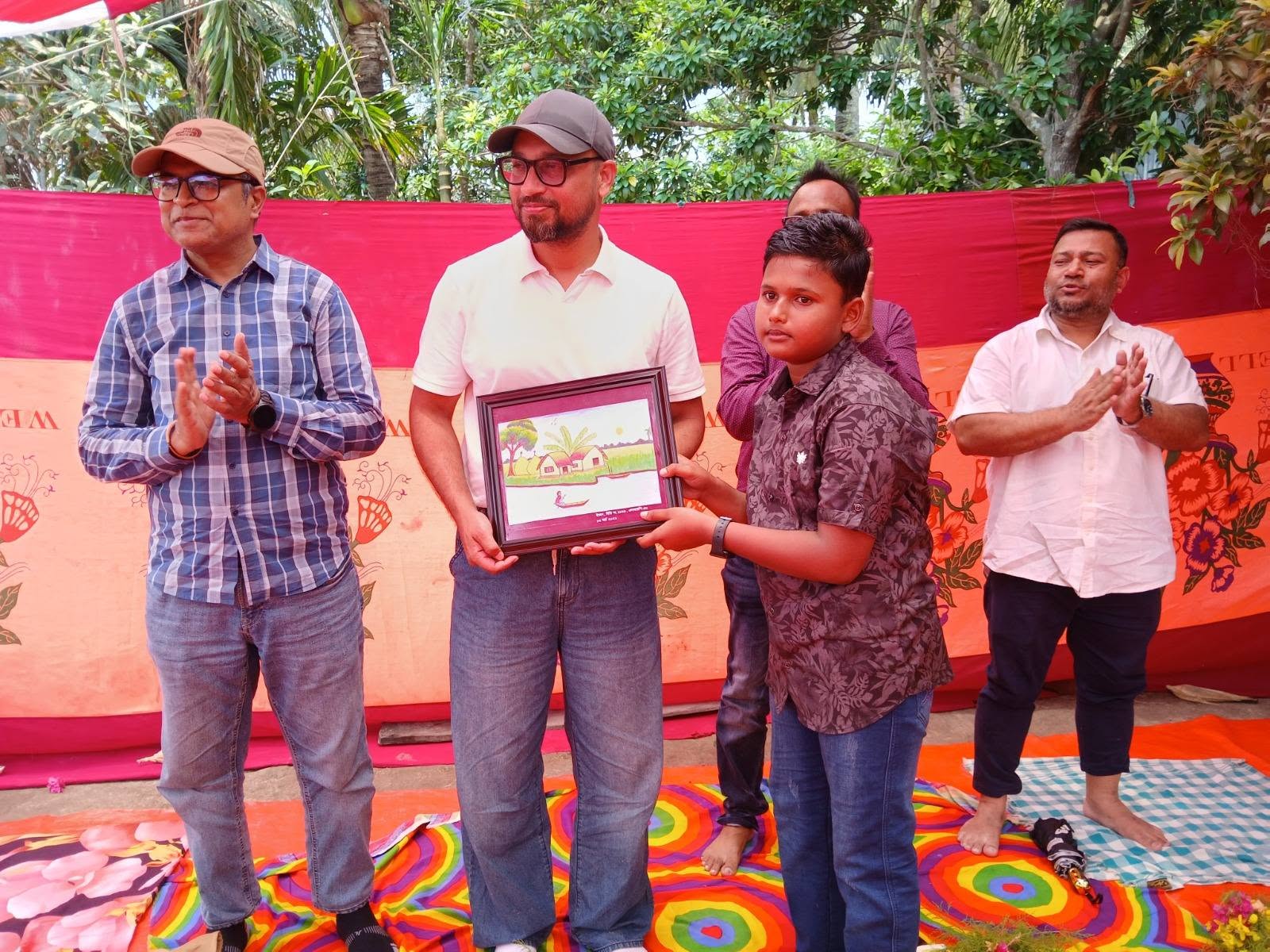
Association of Voluntary Actions for Society (AVAS) recently welcomed a high-level delegation from ActionAid Bangladesh to its Climate Resilient Food Systems and Market Access (CRFMA) project areas in Champapur and Dalbuganj Union of Kalapara Upazila, Patuakhali. The visit provided an opportunity to observe the project's progress, engage directly with community members, and assess the impact of various initiatives designed to improve livelihoods and strengthen community resilience.
The visiting delegation included GM Morshed, Director of ActionAid Bangladesh; Abdullah Al Mamun, Sponsorship Manager; Azadul Islam, LRP Manager; Jahangir Hossain, Deputy Manager (Humanitarian Response); and Shahinuzzaman Shahin, Manager, Monitoring, Evaluation and Learning (MEL).
Promoting Environmental Sustainability
The visit commenced with the inauguration of a tree plantation programme at the Dalbuganj Union Parishad Complex. As part of AVAS’s commitment to environmental conservation and climate resilience, the delegation planted a total of 22 saplings, including:
2 Krishnachura
4 Jhau
6 Arjun
6 Mahogany
4 Mango trees
This initiative reflects the shared commitment of AVAS and ActionAid Bangladesh to promoting greener, healthier, and more climate-resilient communities.
Meeting Communities and Project Participants
Following the plantation programme, the delegation visited various project sites across Champapur and Dalbuganj unions. They interacted with members of the Reflection Action Groups, Women Farmers’ Groups, and Youth Forum.
Community members shared how the project has positively influenced their lives by enhancing their knowledge and skills, increasing social participation, and creating new opportunities for sustainable livelihoods. Participants also discussed their future aspirations and the continued importance of community-led development.
Supporting Women’s Economic Empowerment
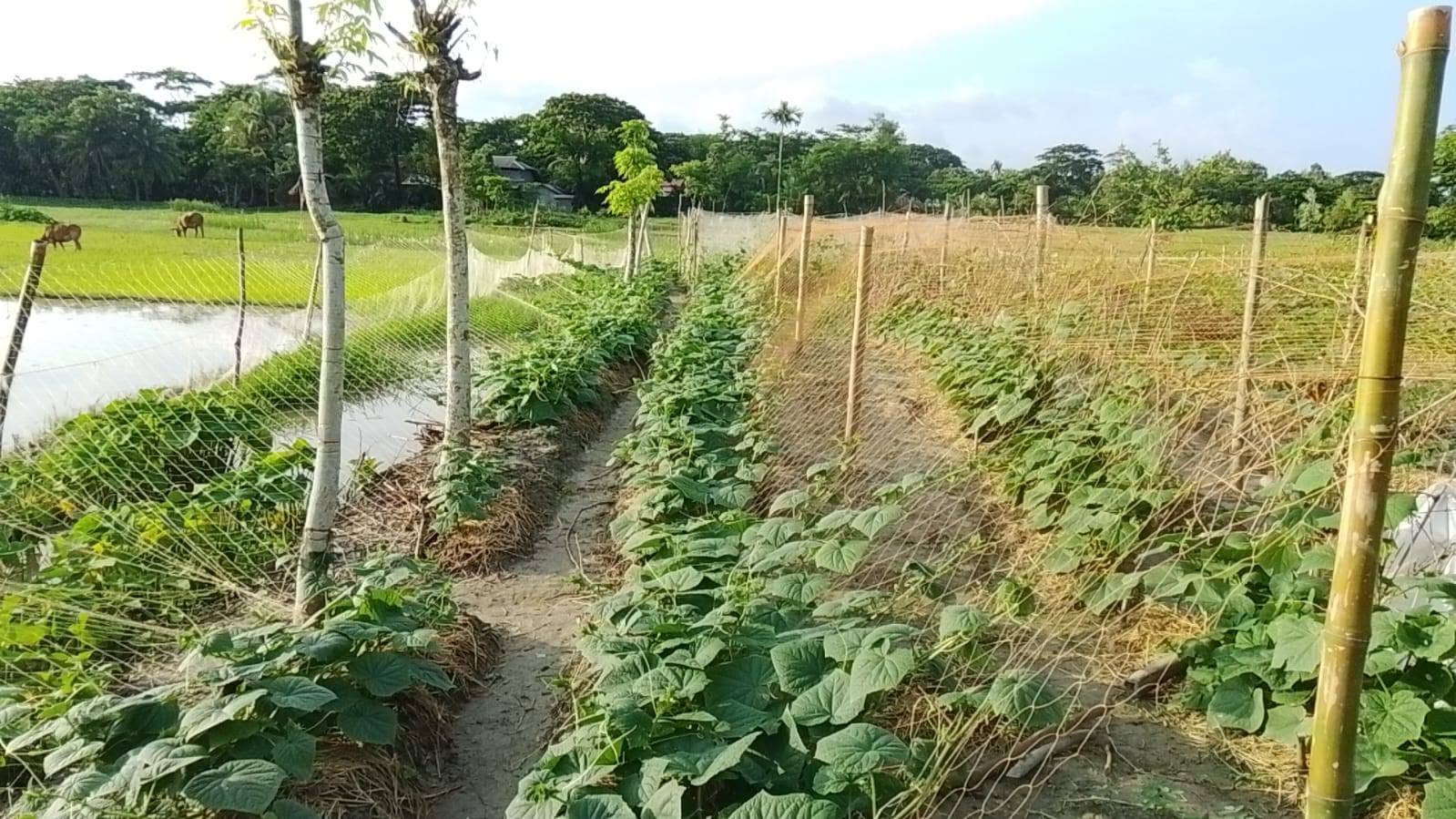
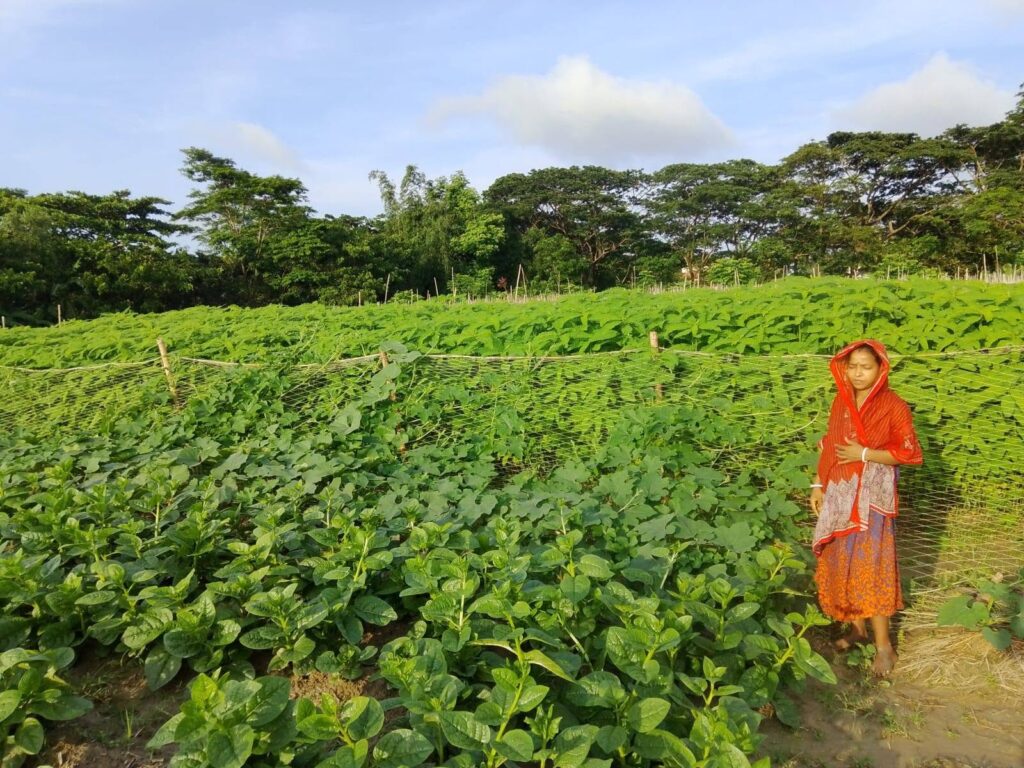
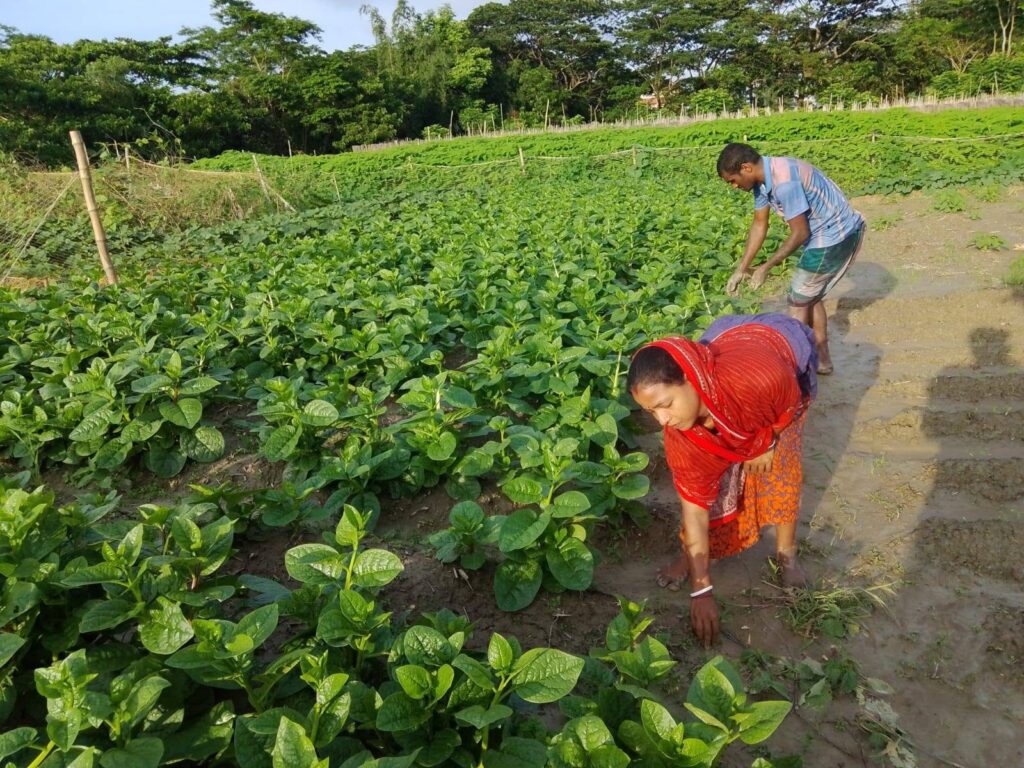
A key focus of the visit was observing women’s income-generating initiatives supported by the CRFMA project. The delegation visited several successful activities, including:
- Collective farming through leased agricultural land.
- Cultivation of rice, sunflower, maize, and mung beans.
- Vermicompost production.
- Community-based egg incubation and chick production using incubators.
The delegation acknowledged that these initiatives are contributing significantly to women’s economic empowerment, household income generation, food security, and climate-resilient livelihoods.
Appreciating Community-Led Development
Throughout the visit, the ActionAid Bangladesh representatives held open discussions with project participants, listening to their experiences, achievements, and challenges. They appreciated the strong community ownership demonstrated by local people and recognized AVAS’s efforts in promoting women’s empowerment, climate resilience, environmental sustainability, and inclusive development.
Looking Forward
At the conclusion of the visit, the delegation expressed optimism about the continued partnership between ActionAid Bangladesh and Association of Voluntary Actions for Society (AVAS). They reaffirmed their shared commitment to strengthening community resilience, improving livelihoods, and advancing sustainable and inclusive development for vulnerable communities in coastal Bangladesh.
The visit highlighted the importance of collaborative action in creating lasting positive change and reinforced the collective vision of empowering communities to build a more resilient and sustainable future.