



শাসন ব্যবস্থা
Strong Governance.
Transparent Decisions.
Accountable Action.
At the Association of Voluntary Actions for Society (AVAS), good governance is fundamental to our commitment to human rights, gender equality, social justice, community empowerment, and sustainable development. Our governance and management systems guide organizational decision-making, promote responsible use of resources, and strengthen accountability to the communities we serve, our partners, donors, and relevant authorities. AVAS follows a structured governance and management approach that brings together organizational leadership, professional management, project teams, and relevant stakeholders. Through defined responsibilities, approved policies, regular reviews, and monitoring mechanisms, we strive to ensure that our programs are implemented effectively, transparently, and in accordance with organizational commitments.
Our Governance Structure
AVAS has three principal governance bodies: the General Committee, the Executive Committee, and the Advisory Committee. These bodies provide organizational oversight, leadership, and guidance, supported by the professional management team and project-level structures.
1. General Committee
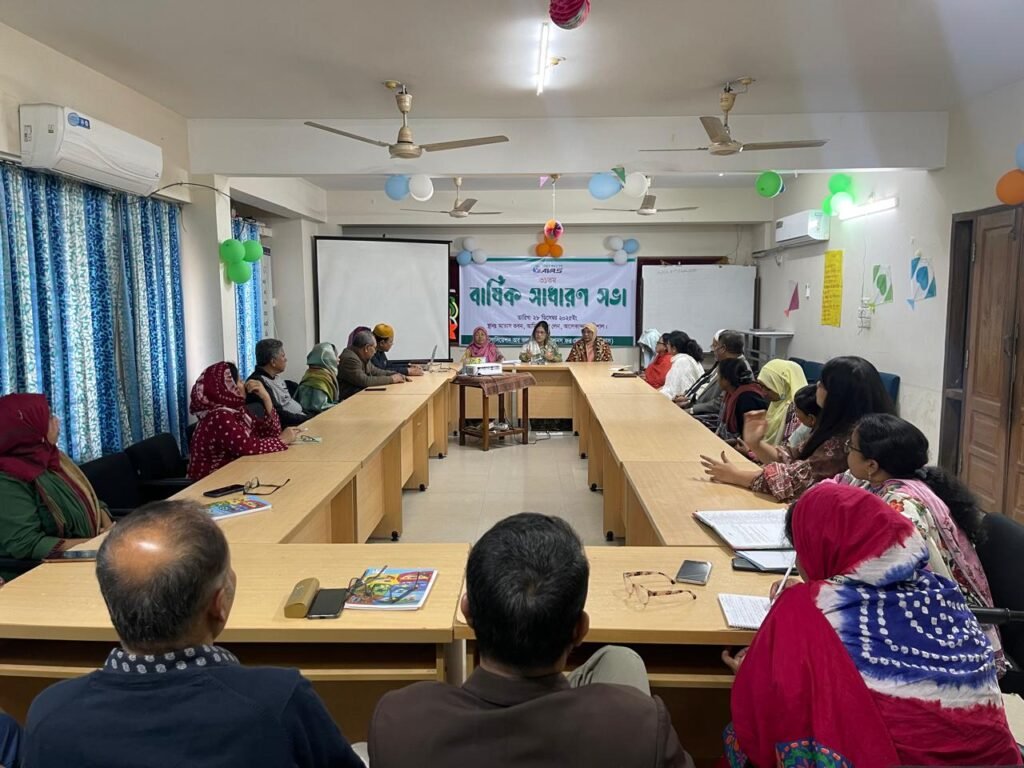
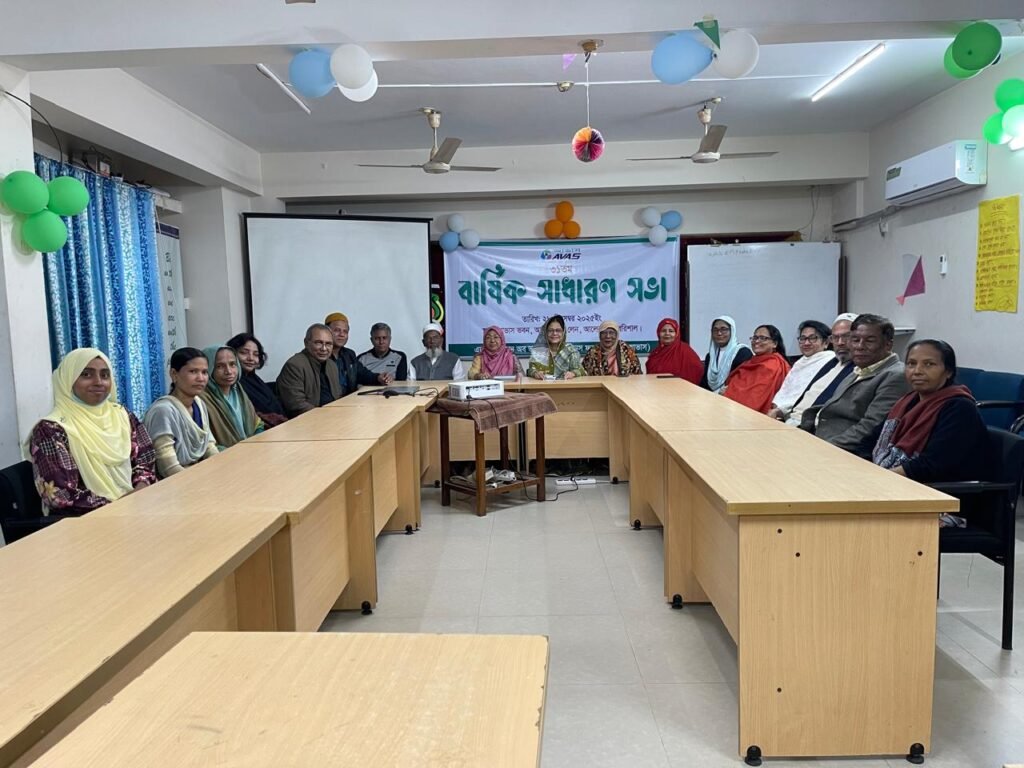
The General Committee comprises 21 members, including 14 women and 7 men. It provides a platform for participation by different segments of society, including women and representatives of marginalized groups.
The General Committee meets annually and provides a forum for organizational participation and governance.
2. Executive Committee
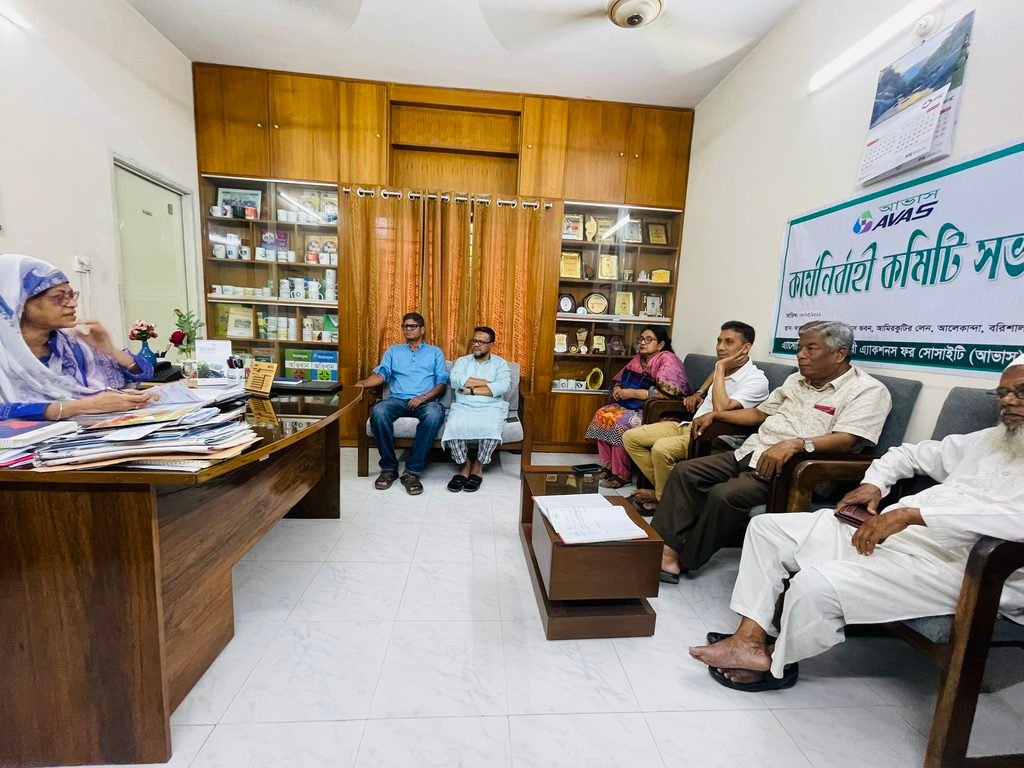
The Executive Committee consists of seven members elected from the General Committee for a three-year term. It comprises four women and three men.
The Executive Committee provides organizational oversight, considers strategic and operational matters, and makes decisions to guide AVAS’s work. It meets quarterly or as required to review organizational priorities and address important matters.
The Executive Director reports to the Executive Committee on organizational performance and relevant programme and operational issues.
3. Advisory Committee
The Advisory Committee comprises three members, including two women and one man. It provides advisory support and guidance to AVAS, contributing to organizational development and informed decision-making.
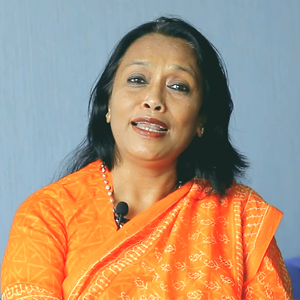
Ms. Monjun Nahar
Head, Partnership and Fund Raising
Marie Stopes Bangladesh.
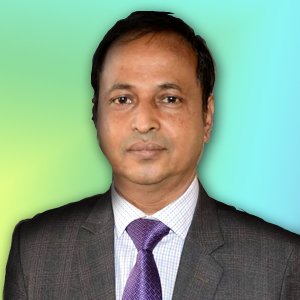
Professor
dgv

Professor
dgv
Management and Program Oversight
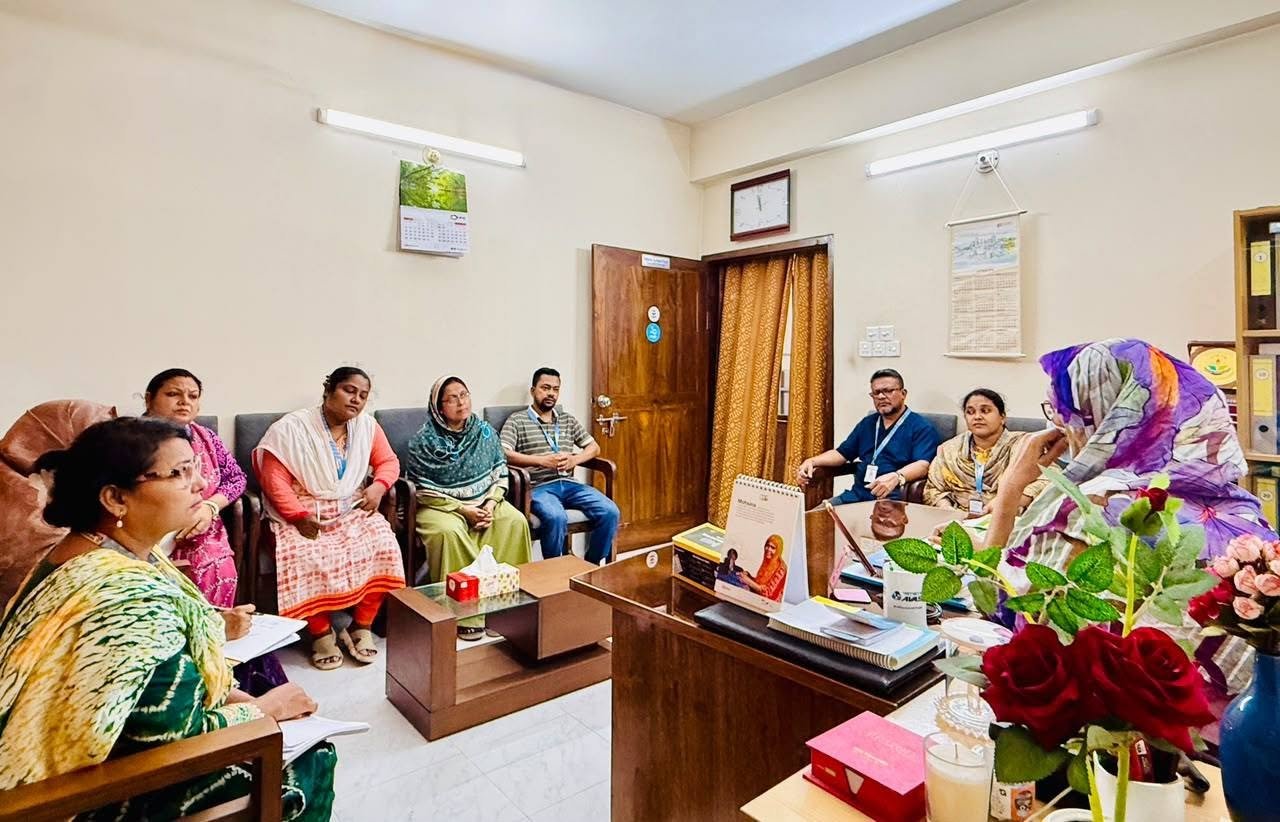
AVAS’s professional management structure supports organizational leadership, policy implementation, program quality, risk management, and coordination across projects. Two key mechanisms—the Senior Management Team (SMT) and the Management Coordination Team-help ensure effective oversight, timely decision-making, and collaboration between organizational management and project teams.
Senior Management Team (SMT)
The Senior Management Team is a senior-level management body established to support the implementation of AVAS policies, strategic planning, organizational development, and management decision-making. It comprises up to seven members, representing executive leadership, directors, monitoring, income-generating activities, and other technical areas as required.
The SMT meets quarterly, with additional meetings convened when necessary. Its key responsibilities include:
- Developing and supporting the implementation of organizational strategic plans.
- Mobilizing resources and supporting business planning and organizational sustainability.
- Reviewing organizational performance and managing risks.
- Reviewing complaints and supporting appropriate resolution.
- Overseeing the implementation, monitoring, and improvement of organizational policies.
- Providing guidance on emerging situations and management challenges.
- Supporting budget management, quality assurance, stakeholder engagement, and organizational communication.
- Reviewing internal controls, safeguarding-related policies, complaints mechanisms, fraud prevention, and other compliance matters.
The SMT is also responsible for maintaining appropriate confidentiality and safeguards when accessing sensitive organizational information.
Management Coordination Team
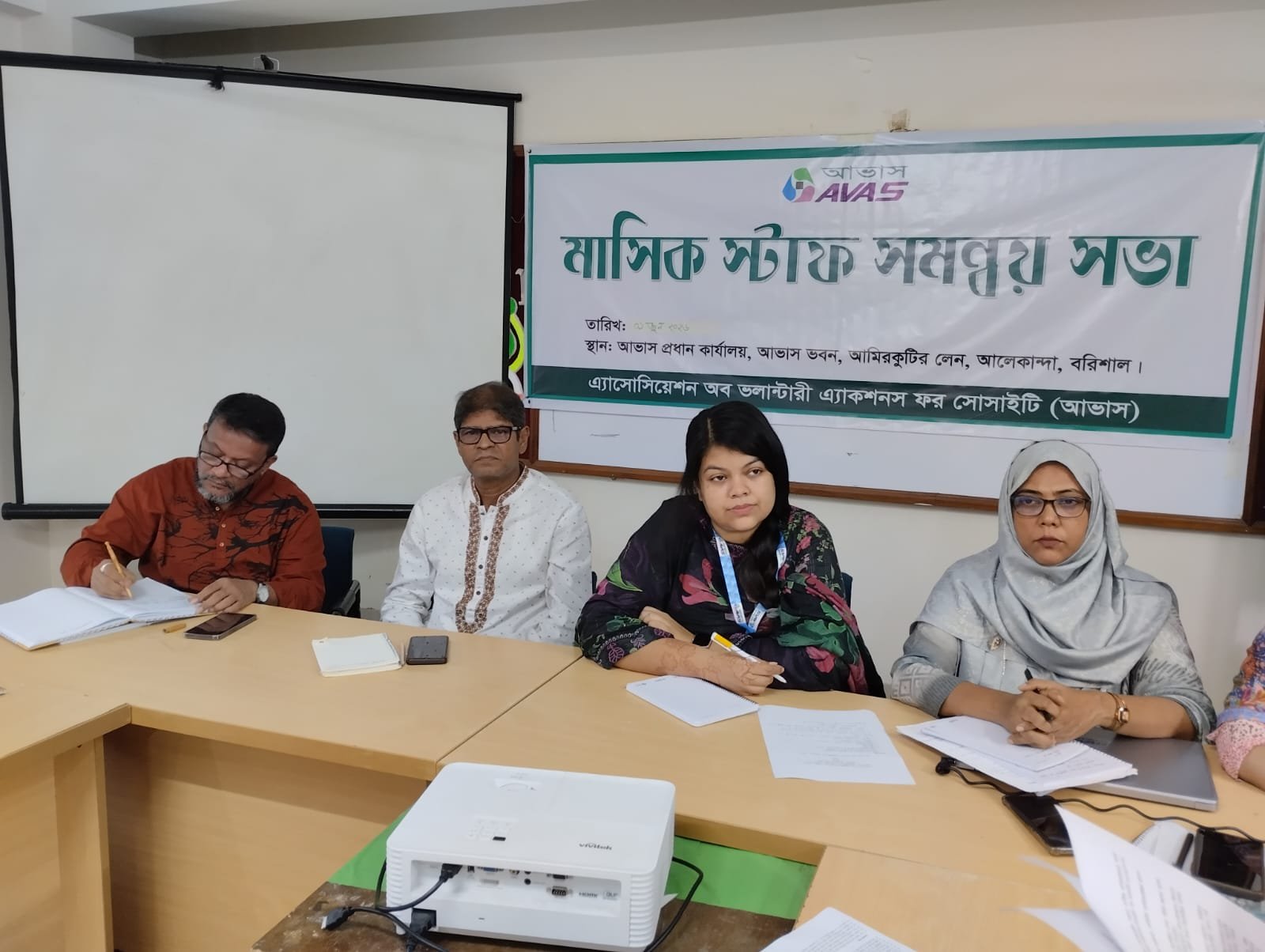
The Management Coordination Team provides a regular forum for coordination, information-sharing, progress review, and joint planning across AVAS’s projects and core management functions.
The team includes SMT members, project managers or coordinators, project finance focal persons, and other relevant management and project staff. Monitoring personnel also participate where applicable. The Executive Director chairs the monthly meetings; in their absence, another member may chair the meeting as agreed by the participants.
The team meets monthly to:
- Review the progress of ongoing projects and organizational activities.
- Prepare plans for the following month and address implementation delays or deviations.
- Share updates on new projects, organizational policies, and strategies.
- Discuss operational risks and challenges in project areas.
- Review gender-related concerns, child marriage, violence against women, and other relevant community issues.
- Review the functioning of relevant organizational committees, including gender and disaster response structures.
- Discuss safeguarding concerns, including gender-based violence, exploitation, and abuse, and identify appropriate follow-up actions.
- Strengthen coordination with local government and administration.
- Review monitoring reports, audit reports, income-generating activities, publications, and annual reporting.
- Address administrative matters and other issues affecting program implementation.
Meeting discussions and decisions are documented in minutes or resolutions and reviewed at subsequent meetings to support follow-up and accountability.
Financial Accountability and Internal Controls
AVAS manages its financial resources in accordance with its approved Financial Management Policy and applicable project requirements. The Financial Management Team oversees budgeting, accounting, procurement, purchasing, disbursement, and financial reporting.
Our financial accountability arrangements include:
These measures support AVAS in maintaining financial discipline and ensuring that resources are used for their intended organizational and programme purposes.
Monitoring, Evaluation, and Learning
AVAS maintains an internal Monitoring and Evaluation (M&E) Team to support programme quality, accountability, and continuous improvement. Monitoring activities are designed according to individual project requirements and are carried out by project teams, field staff, and relevant management personnel.
Our monitoring approach focuses on:
- Tracking implementation progress against approved plans and targets.
- Reviewing programme achievements and the quality of activities and services.
- Identifying implementation challenges and recommending corrective actions.
- Collecting and analysing information to inform management decisions.
- Supporting learning and adaptation to improve programme effectiveness.
Monitoring information is shared through project reporting and management coordination processes. Relevant stakeholders, government departments, and donors may also participate in project monitoring and review, according to the requirements of each programme.
Policies, Ethics, and Safeguarding
AVAS maintains organizational policies and guidelines to support ethical conduct, responsible management, protection of rights, and compliance with organizational and program requirements.
Key policy areas include:
- Human Resources and Administration
- Financial Management
- Gender Equality
- Safeguarding and Child Safety
- Prevention of Sexual Exploitation and Abuse (PSEA)
- Anti-Sexual Harassment
- Complaints Response and Whistleblowing
- Counter-Fraud and Anti-Corruption
- Anti-Money Laundering and Counter-Terrorist Financing
- Information Disclosure and Data Sharing
- Cybersecurity
- Disaster Management and Risk Mitigation
- Environmental Governance
- Do No Harm and Code of Conduct
These policies provide guidance for staff and program implementation and help promote a safe, respectful, inclusive, and accountable organizational culture.
Accountability to Communities and Stakeholders
AVAS recognizes accountability as an essential part of responsible development and humanitarian action. We work with communities, government institutions, civil society organizations, and development partners to support meaningful participation, appropriate information-sharing, and responsible programme implementation.
Our accountability approach is supported by program monitoring, stakeholder coordination, reporting, and organizational policies for complaints and whistleblowing. AVAS seeks to ensure that concerns are addressed through appropriate channels and that learning from program implementation informs future decisions.