Sponsorship Program
Empowering children, especially girls, to live safely, learn, and claim their rights. The Sponsorship Programme supports vulnerable communities to stay resilient and move forward with dignity.
Basic Information:
Working area:
Funded by: Plan International Banglaadesh
Partner/s:
Total Budget: BDT 2,88,80,173.00
Total Expenditure:
Project duration: July 2025 – June 2026
Bhola Sadar Upazila (Rajapur, Purbo Ilisha, Poschim Ilisha, Dhonia, Shibpur, Bheduria, Bhelumia Union), Bhola District.
Project Participants Number (Primary & Secondary):
Primary: 7390 Sponsorship participants.
Secondary: 31136 Non-Sponsorship participants
Manpower (Staff):
Full time: Male-15 and Female- 20, Total-35
Youth Educator: Male-0 and Female- 176, Total-176
Private Tutor: Male-13 and Female- 230, Total-243
SBK Facilitator: Male-0 and Female- 80, Total-80
Parenting Facilitator: Male-0 and Female- 50, Total-50
Total: 594, Male: 28, Female: 556
Project Goal:
To create a protective and respected environment for the children and adolescents in Sponsorship areas of Plan International Bangladesh, especially those in fragile settings, to develop their full potential to become active drivers of change in transforming power relations and gender inequality.
Project Objectives:
- Awareness of parents and community in sponsorship communities is raised about the benefit of early childhood care for children’s holistic development and gender responsive early childhood care and services are established at household and community.
- Capacity of sponsorship children, especially girls and youth is increased to undertake collective actions for advance their rights and achieve gender equality and catalyzing parents, community leaders, civil society and media’s support to promote youth governance in transforming gender norms and power relations.
- Services on sexual and reproductive health and rights (SRHR) and gender-based violence (GBV) at government healthcare facilities strengthened to cater the need of adolescents and youth, especially girls and young women and families and communities are mobilized to prevent gender-based violence and challenge the discriminatory gender norms and attitudes. Comprehensive sexuality education, gender equality education and safety awareness from gender-based violence are promoted among school and out of school adolescent girls and boys.
- Access of SC families to social safety net increased and technical education is popularized among parents, adolescents and youth.
- Capacity of SC families is built to address the climatic and non-climatic shocks and mitigate the potential risk and hazards of children and youth.
Short Description of the Project:
The child and youth leadership component focuses on building confidence, life skills, and leadership capacities through clubs, training, and active participation in community decision-making processes. Under the Sexual and Reproductive Health and Rights (SRHR) component, the program raises awareness among adolescents and youth on health, rights, and protection issues, enabling informed decision-making and promoting gender equality. The youth economic empowerment component equips young people and families with skills, resources, and opportunities for income generation, including vocational training, agri-business development, and market linkages.
Overall, the program adopts a child-centered and gender-responsive approach, aiming to create an enabling environment where children and youth can thrive, exercise their rights, and contribute positively to their communities.

Major Activities and Achievements:
Early Childhood Development & Integrated Quality Education Component:
- Orientation of local stakeholders (Imam, Purohit, Teachers, UP bodies) regarding Gender Transformative Early Childhood Development for 30 individuals.
- Fundamental training and bi-monthly refresher courses for 549 Parenting Facilitators, SBK Facilitators, Private Tutors, and Youth Educators.
- Workshop for the development of materials aimed at Parents.
- Training session for the SBK Management Committee.
- Teachers’ training focused on providing psycho-social support within the school environment.
- Remedial assistance for underperforming or slow learners across all schools within the sponsorship area.
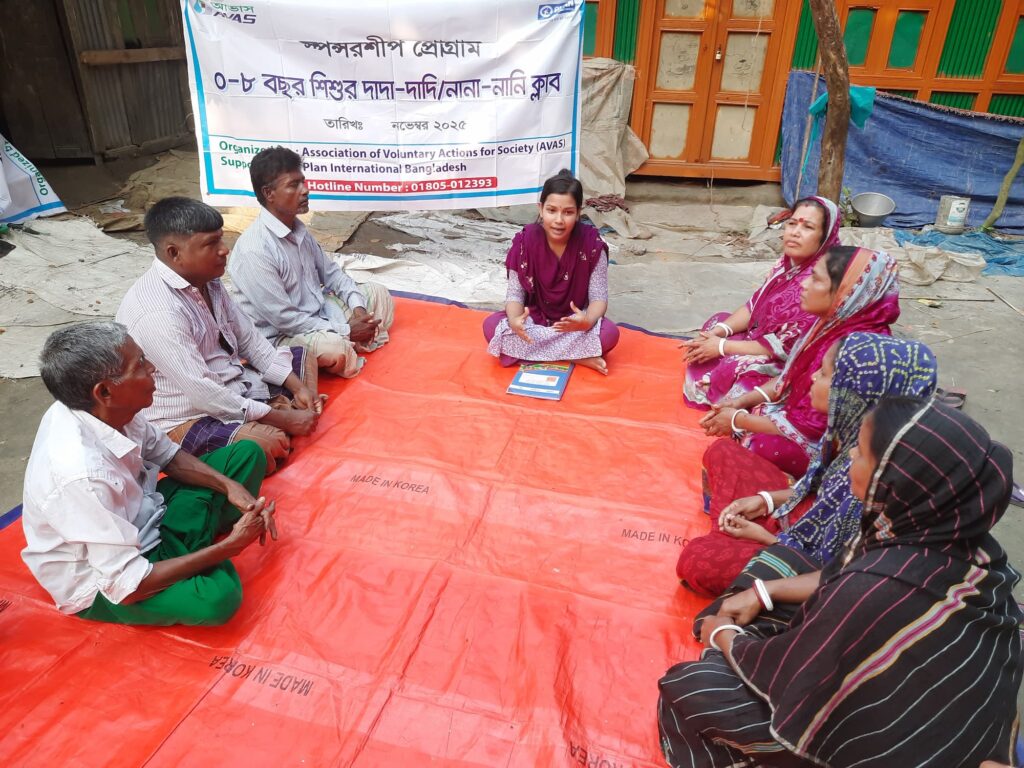
- Establishment of a Grandparents Club for the grandparents of children aged 0 to 8 years.
- Creation of a Fathers’ Café for fathers of children aged 0 to 8 years.
Child &Youth Lead Component:
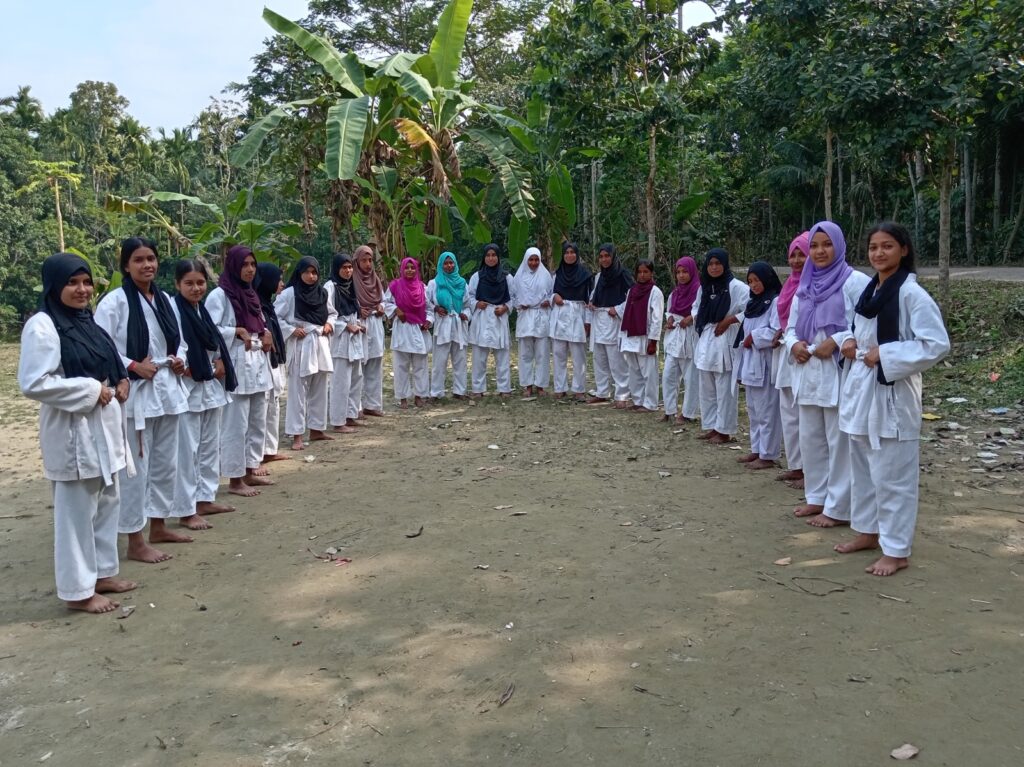
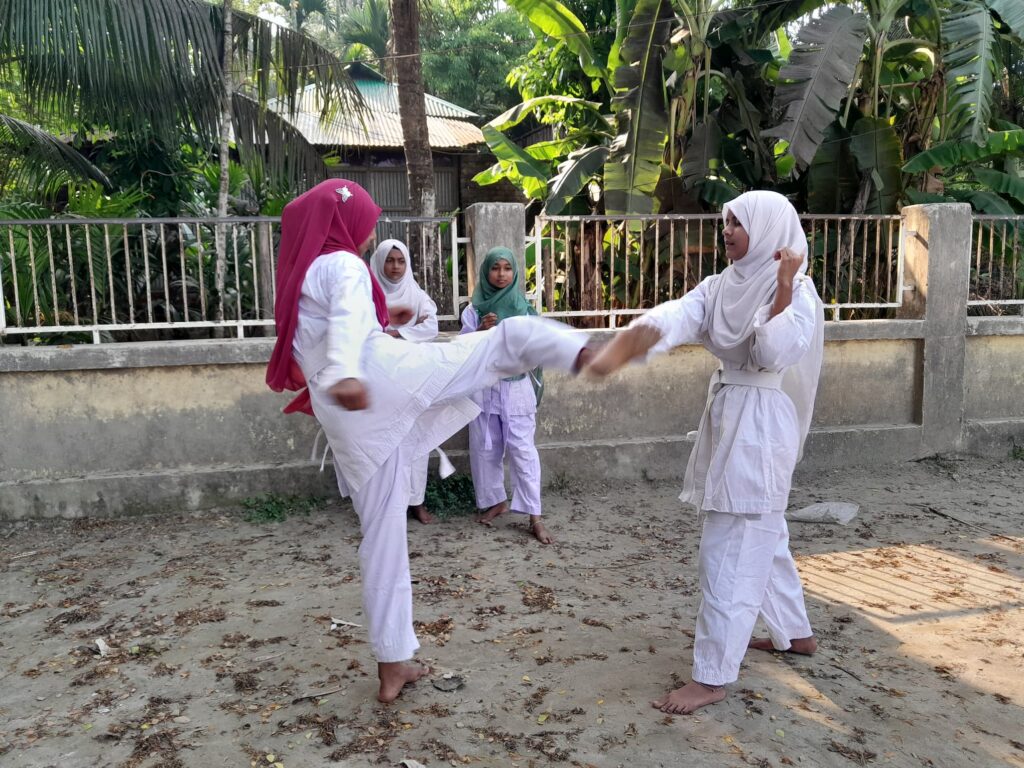
- Self-defense training for 50 sponsored children.
- Quarterly meeting with the Upazila and District Children Welfare Board.
- Capacity building for 220 members of the Children and Youth Forum.
- Establish connections with service providers and networks for psychosocial support.
- Day observation.
- Activate and maintain the functioning of the Divisional-level Child Protection Network.
- Ensuring the safety of 450 children from drowning.
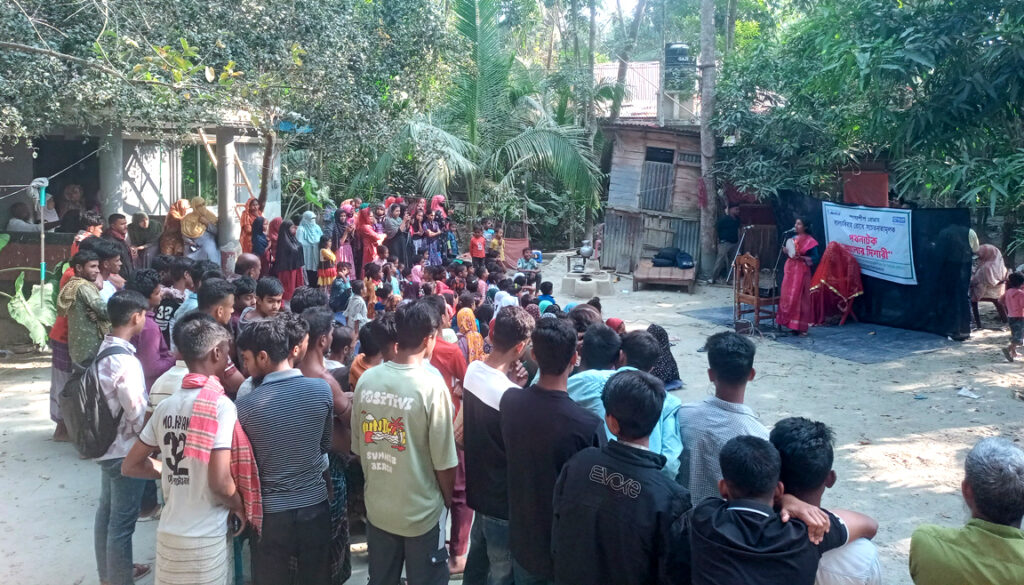
- Theatrical performances for raising awareness among community leaders regarding Child Early and Forced Marriage (CEFM) and Sexual and Gender-Based Violence (SGBV).
- Formation and reformation meeting for 55 Community-Based Organizations (CBOs).
Sexual and Reproductive Health and Rights (SRHR) Component:
- Training and refreshers for the 7 FWC Management Committee will be conducted over a full day.
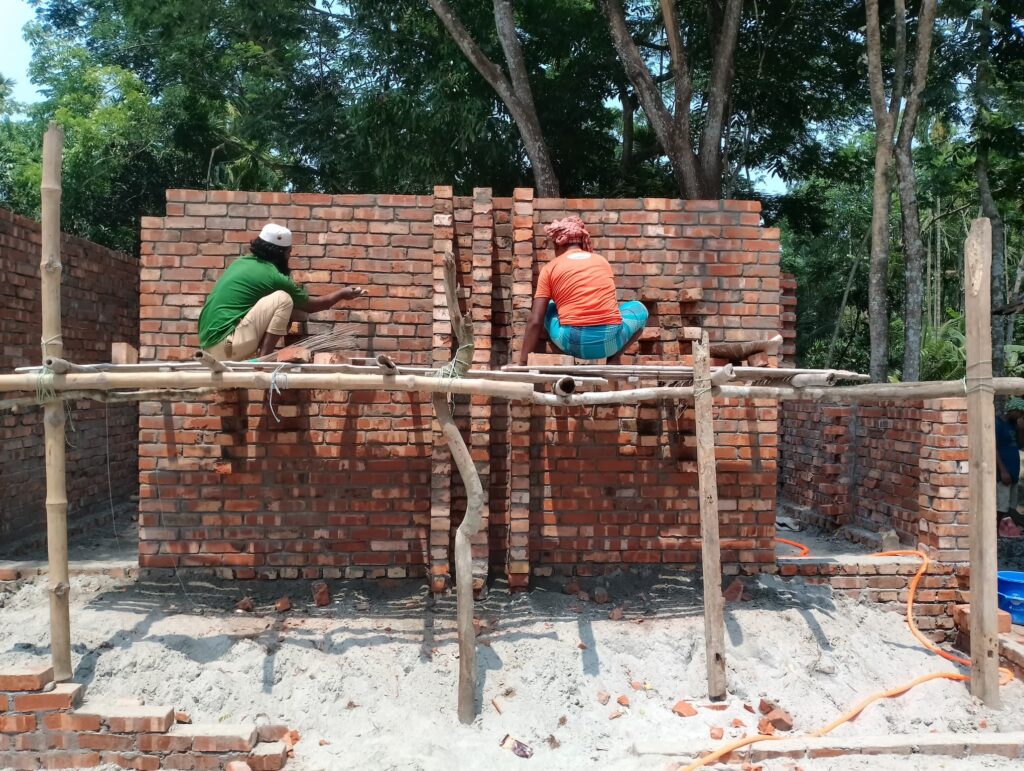
- Establish gender-sensitive WASH facilities in 7 schools, which includes the engineer consultation fee.
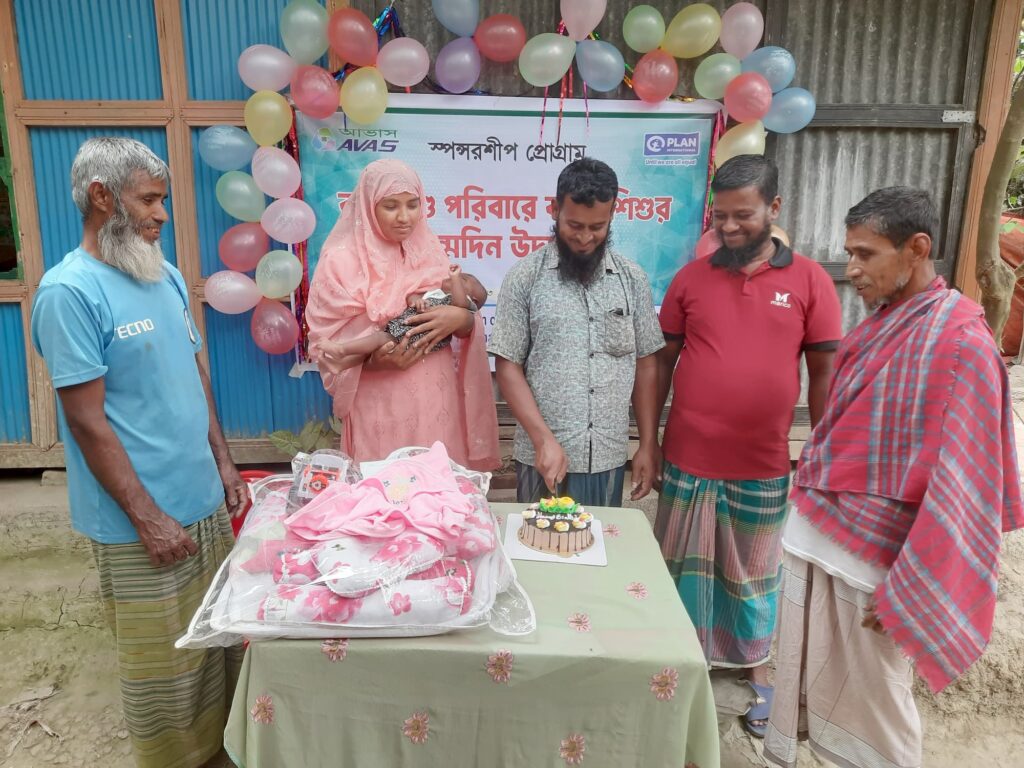
- Organize a celebration for the birth of 30 girls.
- Provide support for the establishment and improvement of adolescent health corners in the local 3 FWCs.
- Annual health screening support will be provided for SC/Health insurance for SCs.
- Health benefits will be extended to SCs.
- Observance of health-related days will take place.
- Regular meetings and joint meetings/monitoring will be held for the FWC and CC Management Committee.
Youth Economic Empowerment Component:
- Facilitate financial literacy training for 125 individuals involved in the project.
- Arrange technology awareness sessions for 500 family members.
- Conduct meetings with government offices.
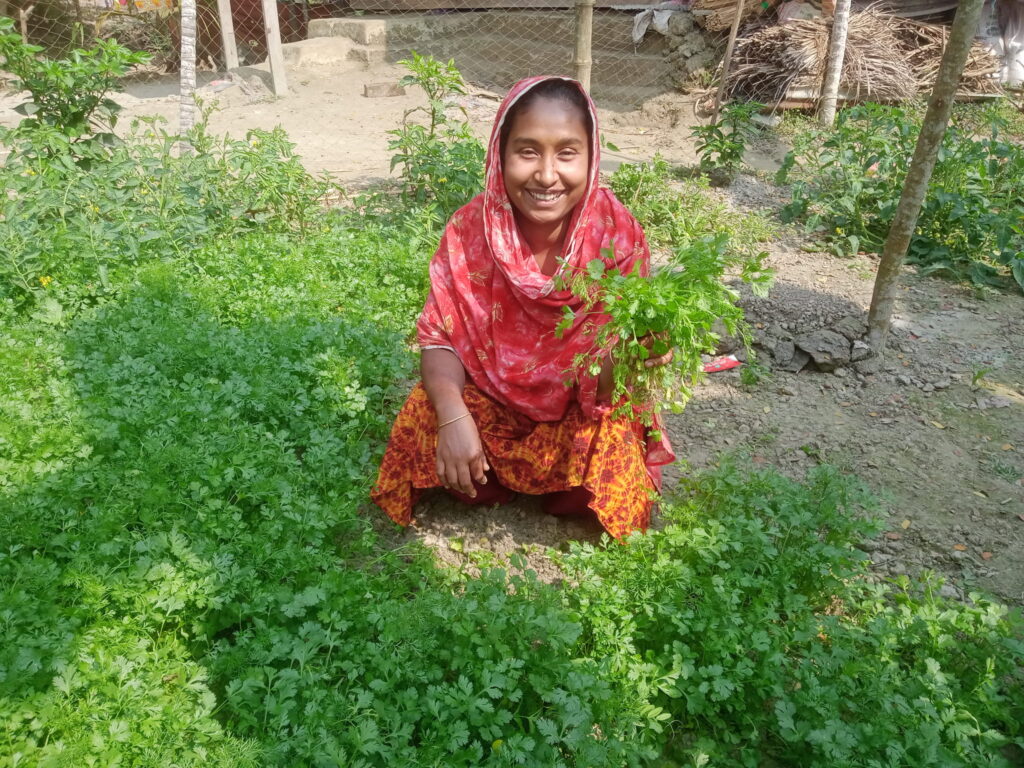
- Motivate families to engage in agribusiness initiatives.
- Launch home gardening projects with the participation of 150 youth.
- Provide practical agro-processing training for 25 participants.
Total project based Achievements:
Early Childhood Development & Integrated Quality Education:
School enrollment and regular attendance have significantly improved among sponsored children, with notable academic progress, especially for slow learners. Parents are now more engaged in their children’s education, and accountability among teachers and school management has strengthened.
Child & Youth Lead:
Children and youth have developed greater confidence and leadership skills. Their active participation in community initiatives has increased, along with improved communication and decision-making abilities. Girls are now more included and visible in leadership roles.
Sexual and Reproductive Health and Rights (SRHR):
Awareness and understanding of SRHR among adolescents have grown considerably. Improved hygiene practices and health-seeking behavior are evident, while stigma around SRHR topics has reduced. Community awareness on gender equality and protection has also strengthened.
Youth Economic Empowerment:
Youth and families now have better access to income-generating opportunities, resources, and technical knowledge. Adoption of modern and climate-smart practices has increased, contributing to stronger economic resilience and diversified livelihoods
Learning through project implementation:
- To guarantee that the children are fully engaged and present in the SBK, creating beautiful decorations is essential.
- Educational decorations featuring engaging visuals in the learning center help students stay focused on their studies.
- Seating arrangements and mats should be selected based on the total number of children present in the learning center.
- If you can ensure training for tutors to enhance their various skills, the scope of children’s learning increases.
- The regularization of the C&Y forum has significantly raised community awareness about child rights and protection.
- The C&Y forum’s initiatives have effectively helped in curbing child marriage in several areas.
- Families are gaining financial independence as their income levels rise.
- Previously vulnerable families at risk of child marriage have seen that threat mitigated.
- Ensuring awareness meetings on topics like hand washing, latrine upkeep, and child health protection will lead to successful latrine distribution.
- There has been a noticeable decrease in diarrhea and water-borne diseases among children thanks to the improved usage of latrines.
- If C&YF members increase their communication with various government and private departments, work opportunities will be created.
- Celebrating the arrival of a baby girl enhances the mother’s acceptance within the family.
- TFD proves to be more impactful in driving positive community changes compared to educational sessions, as it inspires open discussions on various issues.
Challenge through project implementation:
- C&YF children are hesitant to express their opinions
- During the rainy season, it becomes quite challenging to maintain the participation of program members from the community.
- The chairpersons of the FWC and CC management committees tend to miss meetings regularly.
- There is a challenge with funding and logistical support for the Children and Youth Forum.
- Consistent participation from the majority of forum members is not guaranteed.
- Some families continue to struggle with sustaining income-generating activities.
- There are limitations in market connectivity.
- Many families are finding it difficult to maintain their latrines properly.
- Although awareness has increased, changing social habits in certain areas is taking longer than expected.
CASE STUDY
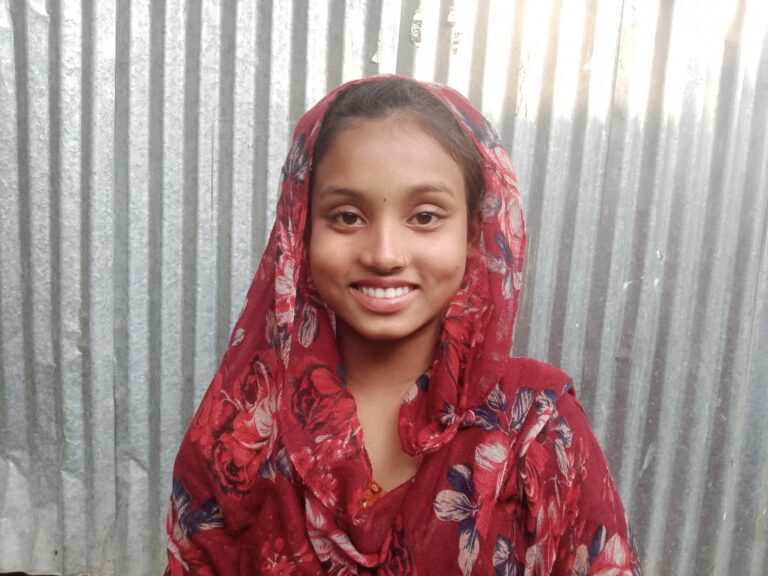
Emma’s Journey from Risk to Resilience
Sonakata Union, Taltoli Upazila, Barguna District
Background:
Emma, a 14-year-old sponsored child, grew up in a vulnerable situation after losing her mother at an early age. Her father, a daily wage laborer, struggled to raise her alone amidst extreme poverty and strong societal pressures. In their community, girls were often seen as a burden, and early marriage was widely accepted. Under these circumstances, Emma’s father decided to arrange her marriage at a young age.
Challenges:
Despite her father’s decision, Emma had a strong desire to continue her education at the Madrasa and the Sponsorship Project Center. She was a bright and motivated student. However, poverty, social norms, and religious misconceptions created significant barriers, putting her at high risk of child marriage.
Intervention:
Emma’s tutor encouraged her to seek support from the Ward Child and Youth Forum. She became an active member and began learning about child rights, the harmful effects of child marriage, and the importance of education.
At the same time, the project took a holistic approach to support her family:
- Provided agricultural-based financial support to improve household income
- Offered training to her father on income-generating activities
- Conducted parent-teacher meetings to raise awareness among her grandmother about education and the risks of child marriage
- Engaged community members to build supportive attitudes
Change Process:
Through forum sessions, Emma gained confidence and knowledge to advocate for herself. Her grandmother, after attending awareness sessions, also became supportive of her education. Together, they persuaded her father to reconsider his decision.
As the family’s income improved through agricultural support, financial pressure reduced. Emma also contributed to these activities while continuing her studies. Community awareness efforts further helped shift attitudes among neighbors.
Results:
- Emma’s child marriage was successfully prevented
- Her father committed to supporting her continued education
- Family income improved through agricultural activities
- Community awareness on child marriage and girls’ education increased
Impact:
Today, Emma is a role model in her community. She actively participates in the Children and Youth Forum, raising awareness about the importance of education and the harmful effects of child marriage. She also supports families in engaging in income-generating activities.
Emma says:
“Just as I was able to protect myself from child marriage, I want to help protect all girls in my community. I dream of becoming a lawyer so that no girl’s life is cut short.”
Community Voice:
“Emma has opened our eyes. We now want to support her education and ensure respect for girls in our community. Her story inspires us to build a better future for our daughters.” Khadija (32), neighbor
Way Forward:
- Establish girls’ clubs for life skills and leadership development
- Expand income-generating activities for women to reduce economic pressure
- Conduct regular sessions with fathers and male guardians to promote positive attitudes towards girls
Conclusion:
Emma’s story reflects how integrated support-education, economic empowerment, and community awareness-can transform lives. Her journey demonstrates that with the right support, girls can overcome barriers, claim their rights, and become powerful agents of change in their communities.
Funded by