




Our History

Founded by five women in 1998.
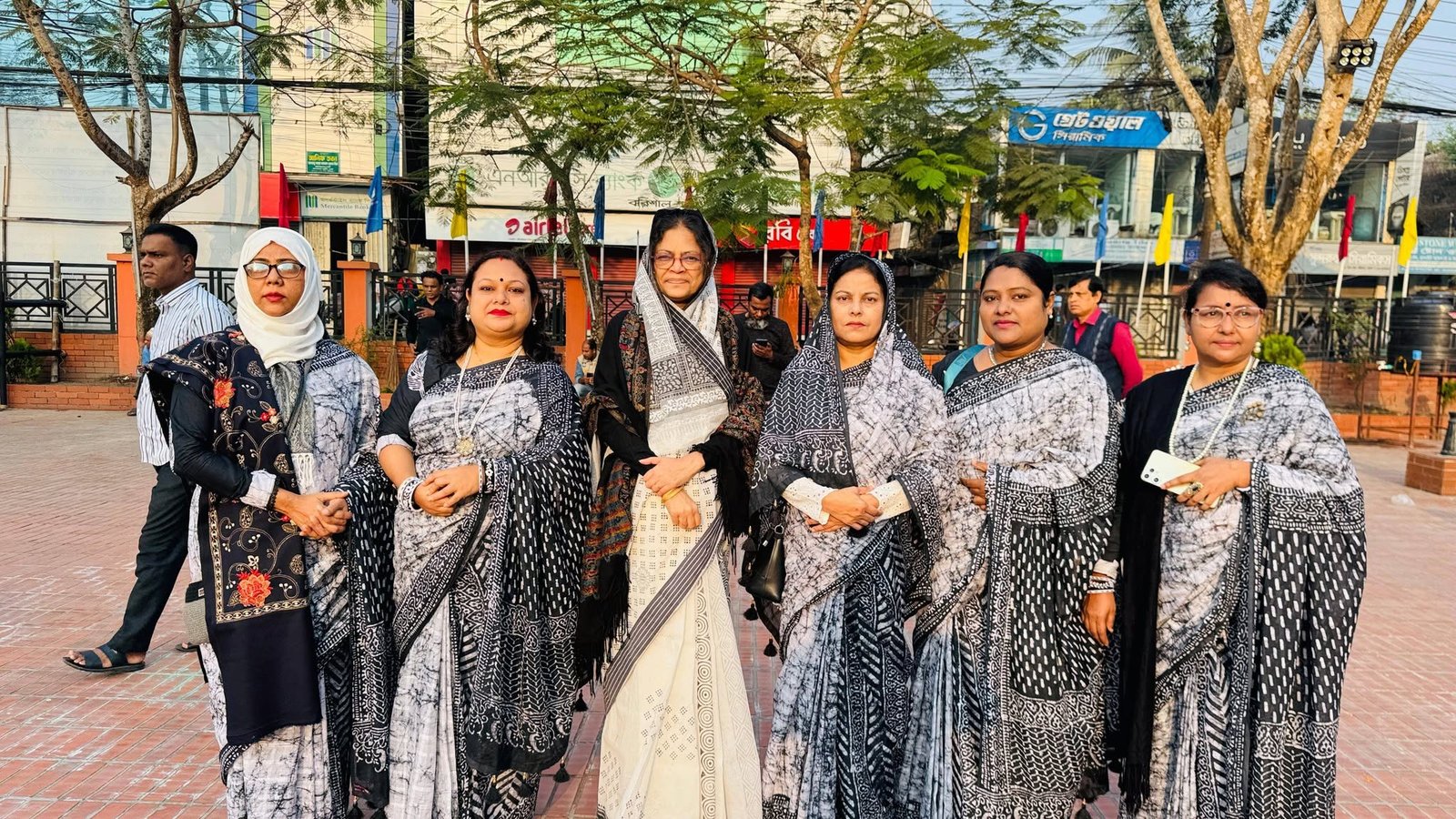
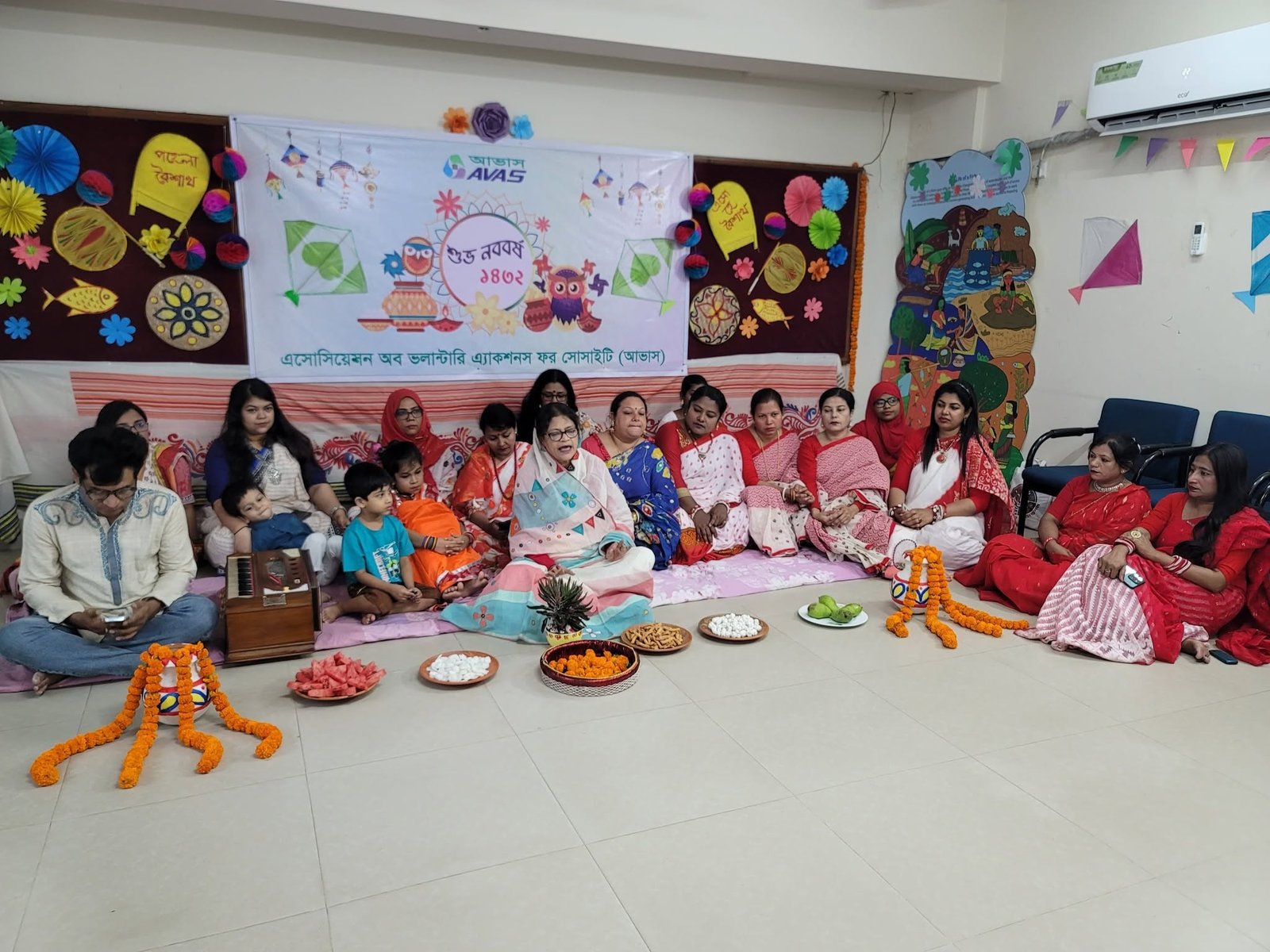
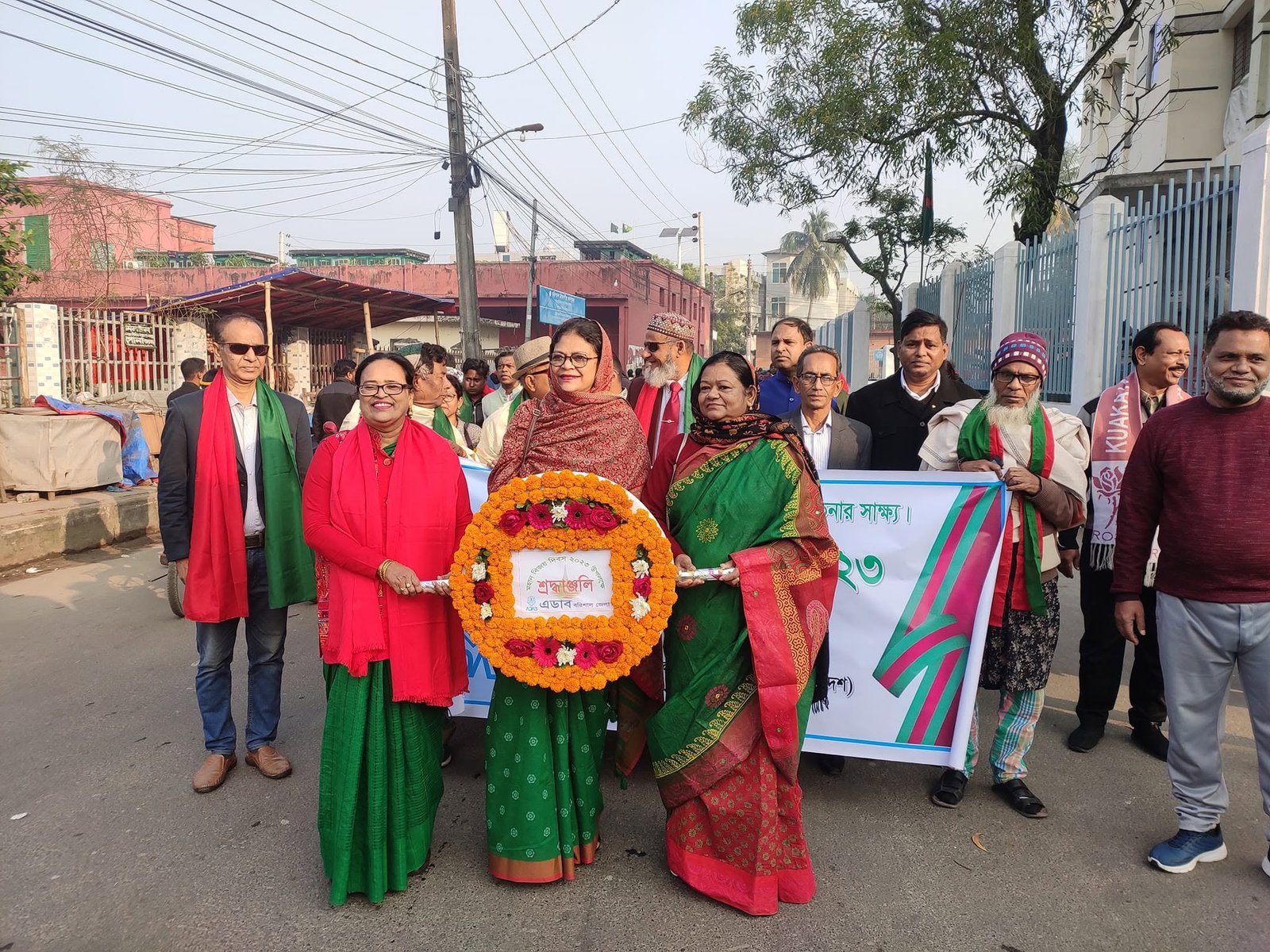
The Association of Voluntary Actions for Society (AVAS) was founded on 1 June 1998 by five women, including Rahima Sultana Kazal and her mother, Mamotaj Begum. They wanted to build a locally led organization where women could identify the issues affecting their communities, set priorities and lead the work themselves.
The first year of voluntary action
AVAS began with a six-person team and no external funding. The team worked on a voluntary basis. In some months, members received just BDT 300–500 to help cover transport. Mamotaj Begum prepared lunch for the team each day throughout that first year. Her contribution helped the small team keep working while it had no budget for salaries or meals.
Working with communities facing exclusion
As AVAS developed, its work extended to women and communities whose needs were often overlooked. This included HIV awareness and rights advocacy with sex workers and transgender communities. Kazal recalls facing criticism for this work and for travelling as a woman in a public leadership role. Support from her family helped her continue.
The organisation’s early experiences shaped how it worked with communities. They reinforced the importance of listening to people directly, including them in decisions and supporting local leadership.
Growing across coastal Bangladesh
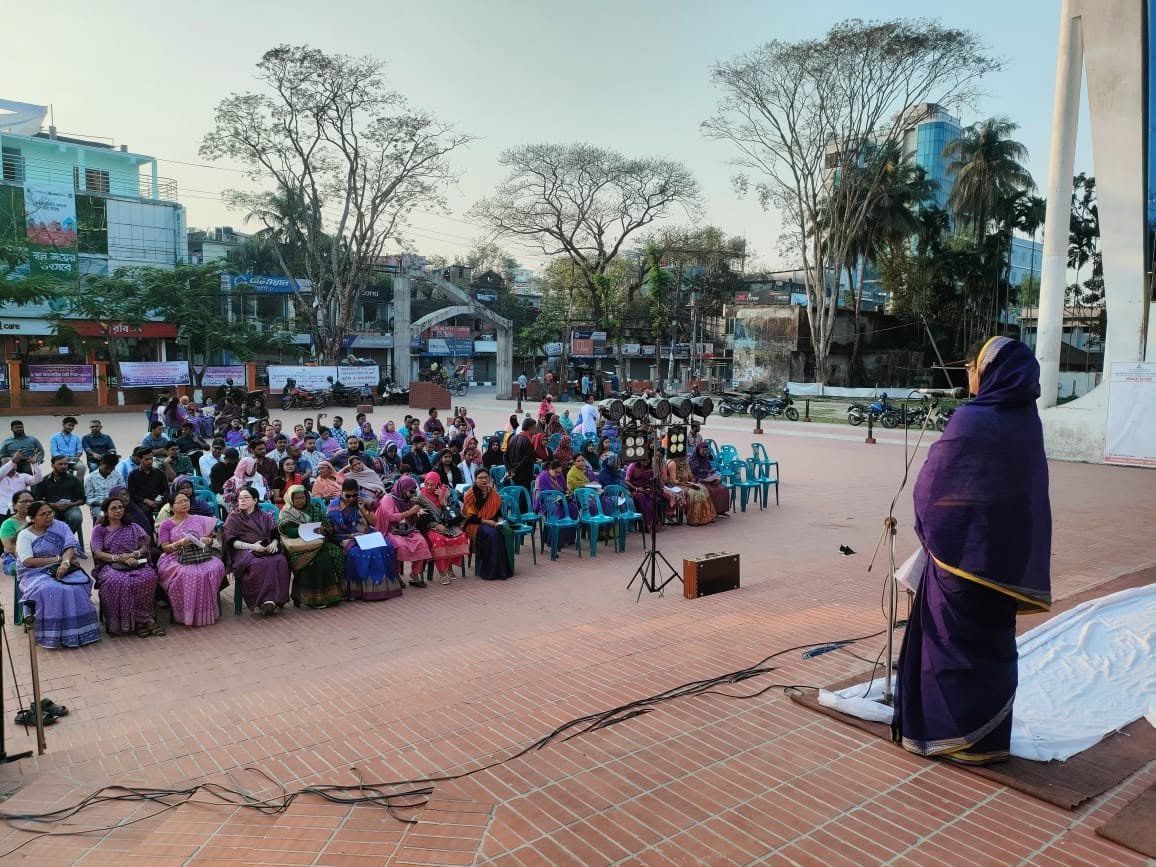
Over the following decades, AVAS grew from a small volunteer team into a development and humanitarian organisation working with communities across Bangladesh, particularly in coastal areas. Its work expanded to include women’s leadership, disaster risk management, humanitarian response and resilience. Partnerships with government agencies, civil society organizations and international development partners helped AVAS extend the reach of this work.
Disaster preparedness and resilience became central to its programmes in coastal Bangladesh. AVAS works with communities to prepare for emergencies, reduce the risks they face and strengthen their ability to recover.
Making room for the next generation of leaders
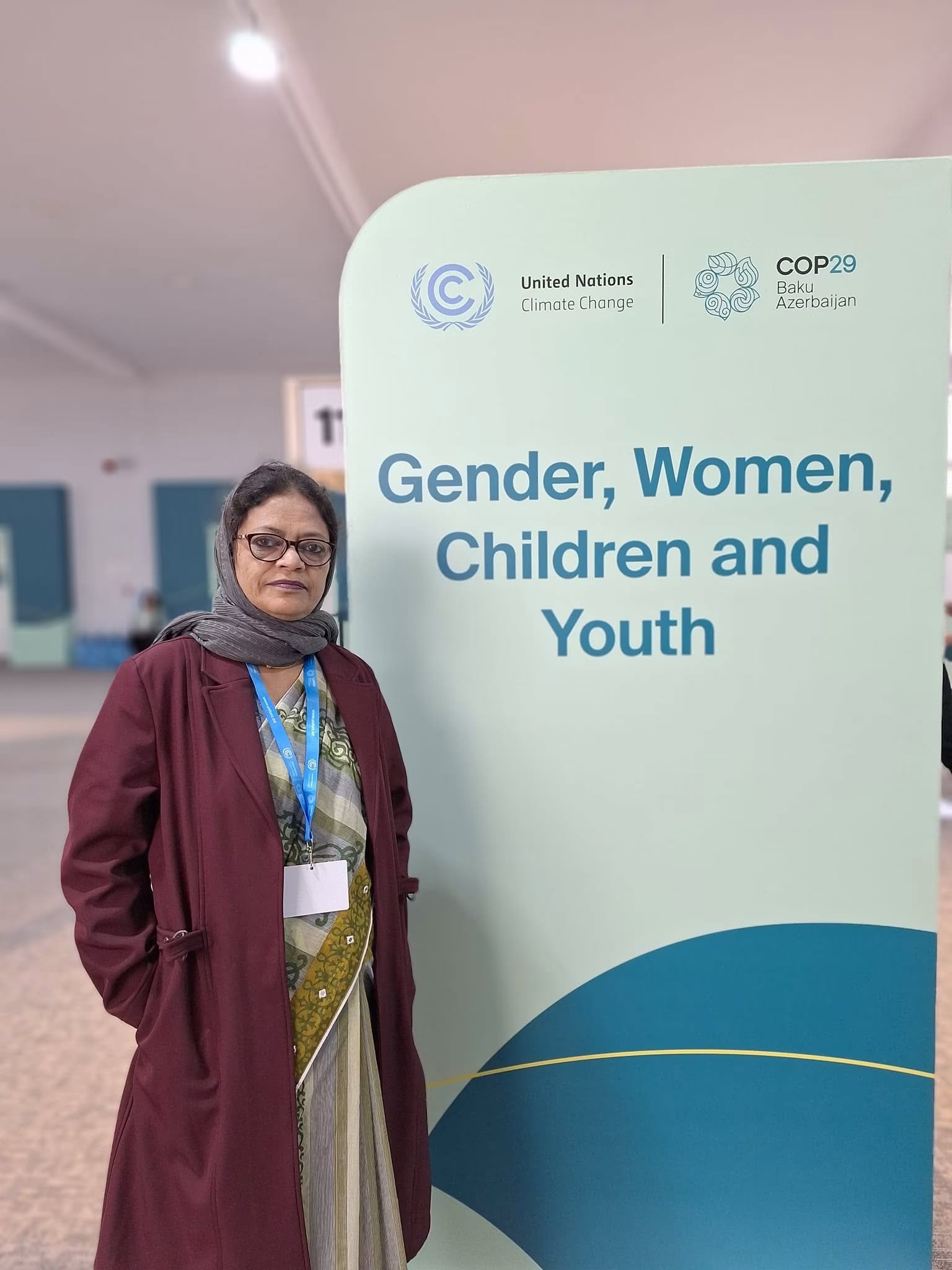
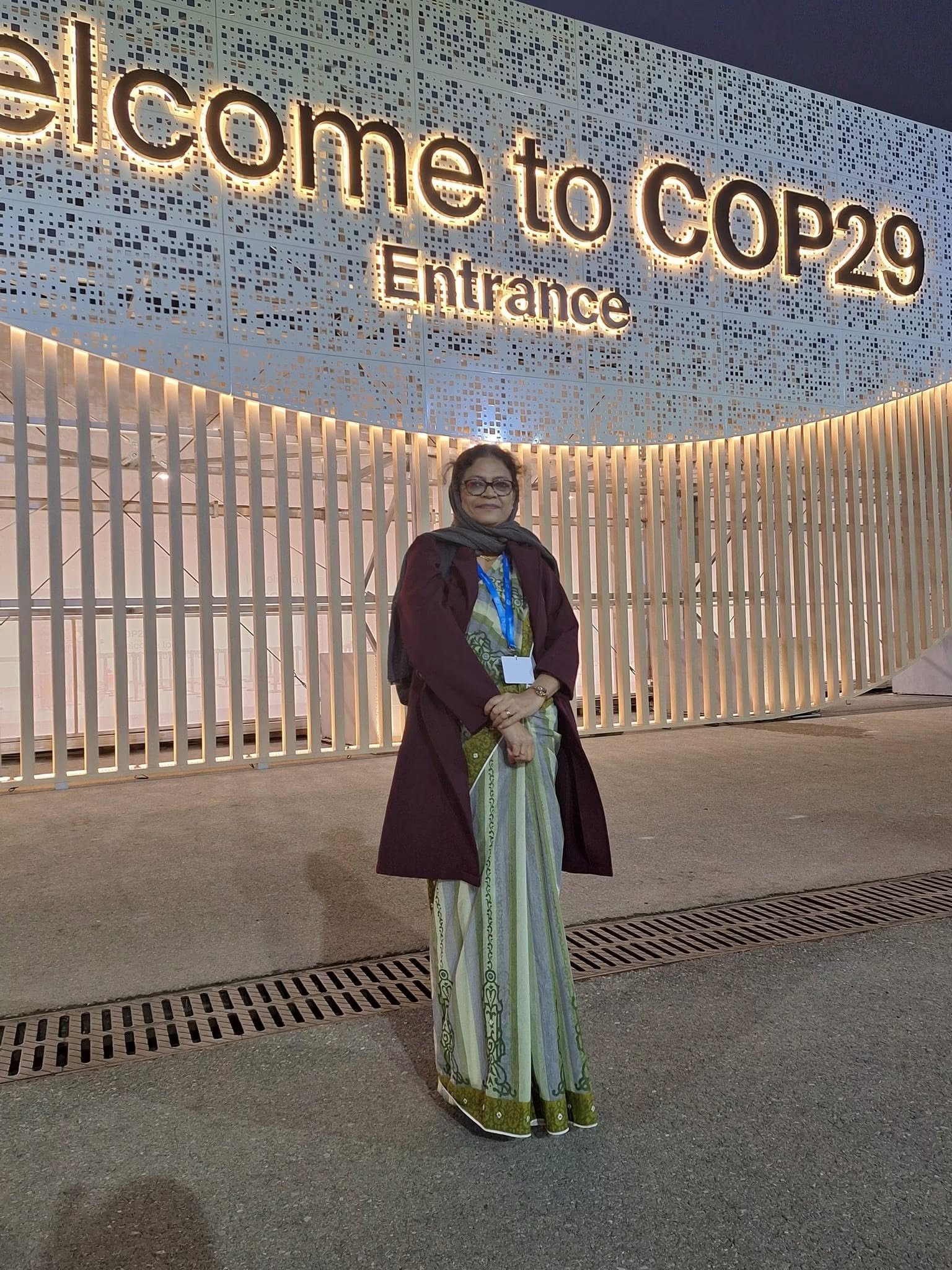
Making room for the next generation of leaders In Bangladesh, Apa means “elder sister” and is also used as a term of respect and affection. Many know Rahima Sultana Kazal as Kazal Apa. The name reflects the relationships she has built through her work and her belief that more women should have a place in the decisions that affect their lives.
“If I can handle this, you can too.”
— Rahima Sultana Kazal, Co-founder and Executive Director, AVAS