




Learning Sharing
AVAS-CARE for Women Project Organizes Learning and Sharing Workshop.
Kalapara, Patuakhali | 17 November 2026
Project At a Glance
Duration
Working Area
Lead by
Partners
Donor
: 1 Dec 2024 – 30 Nov 2026
: Kalapara Upazilla, Patuakhali District and Kaligonj Upazilla, Satkhira District
: AVAS
: BINDU, COAST Foundation and Street Child
: Gates Foundation
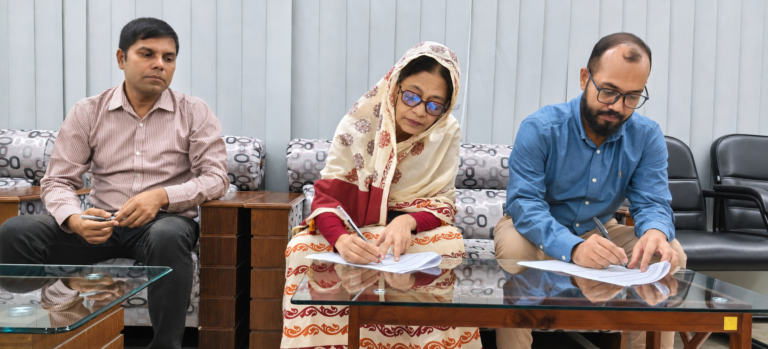
Partnership for Collaborative Research, Practical Learning and Internship.

Joint Research
Research and Academic Publication

Student Internship
Practical Learning and NGO Exposer

Knowledge Exchange
Seminar, Workshop and Guest lecture
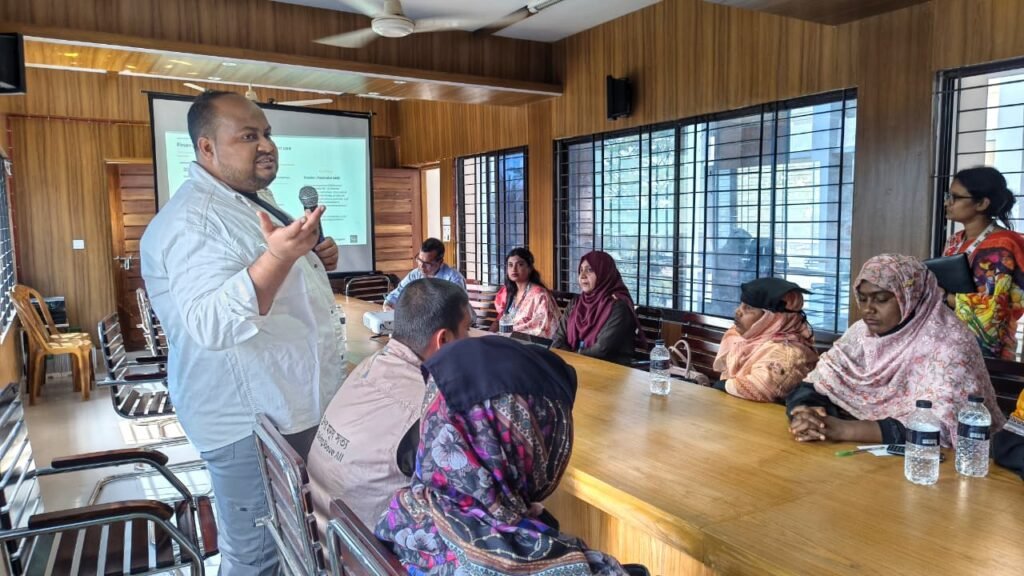
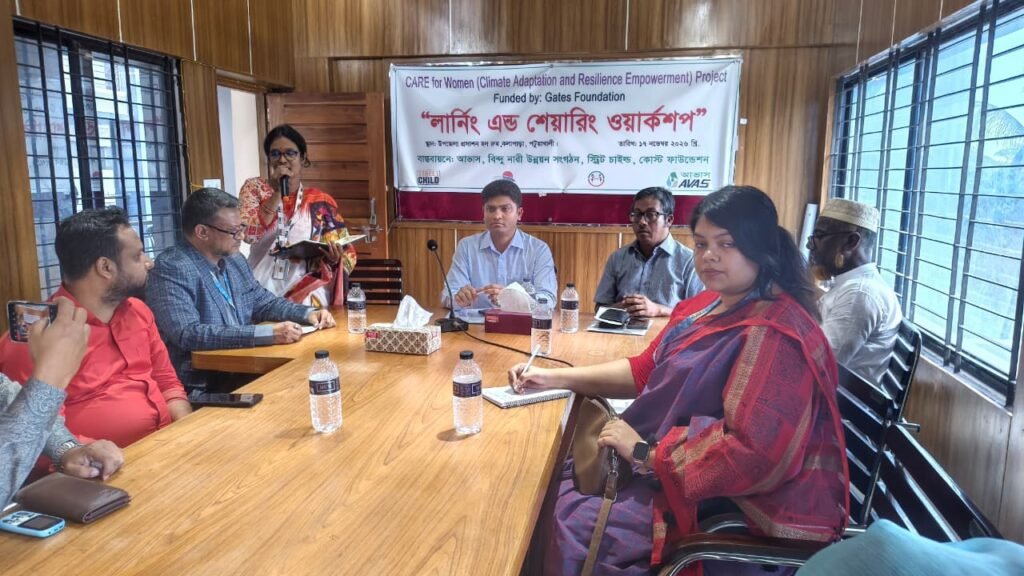
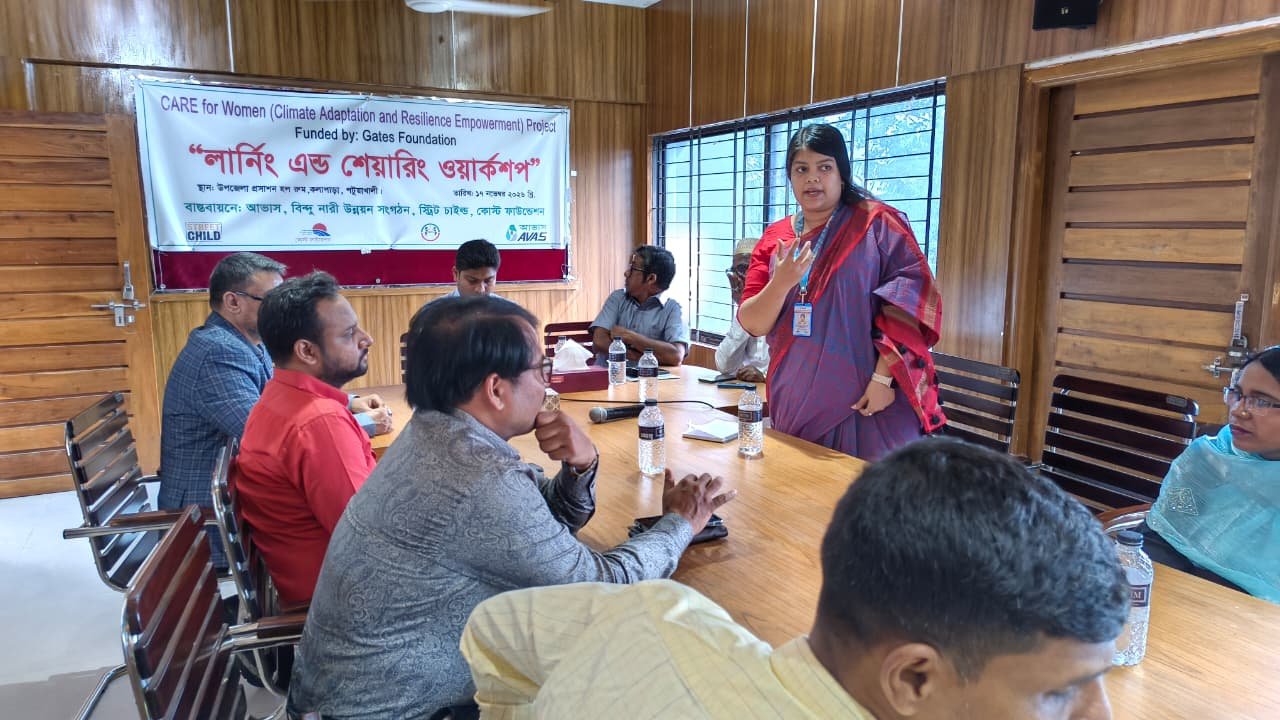
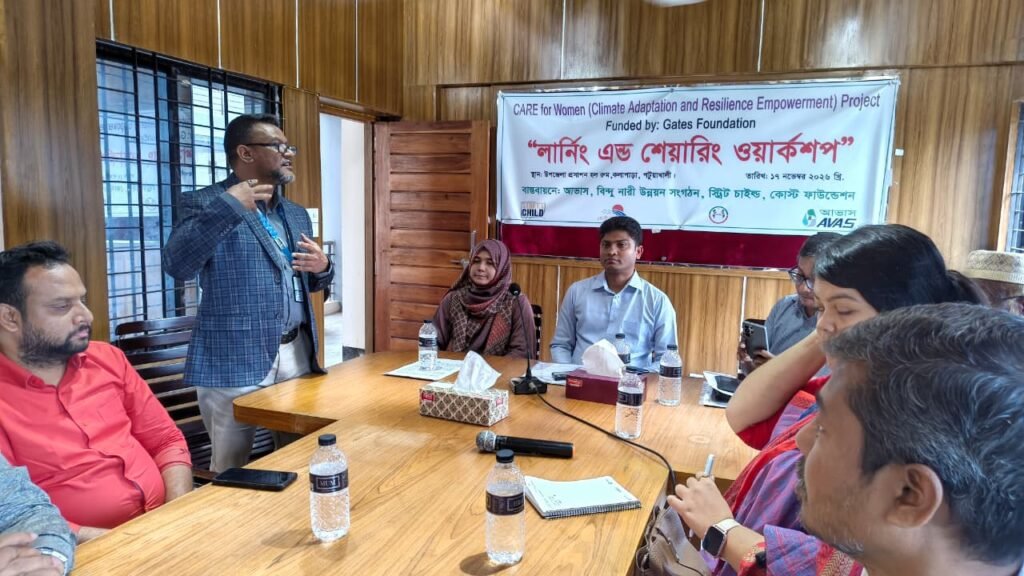
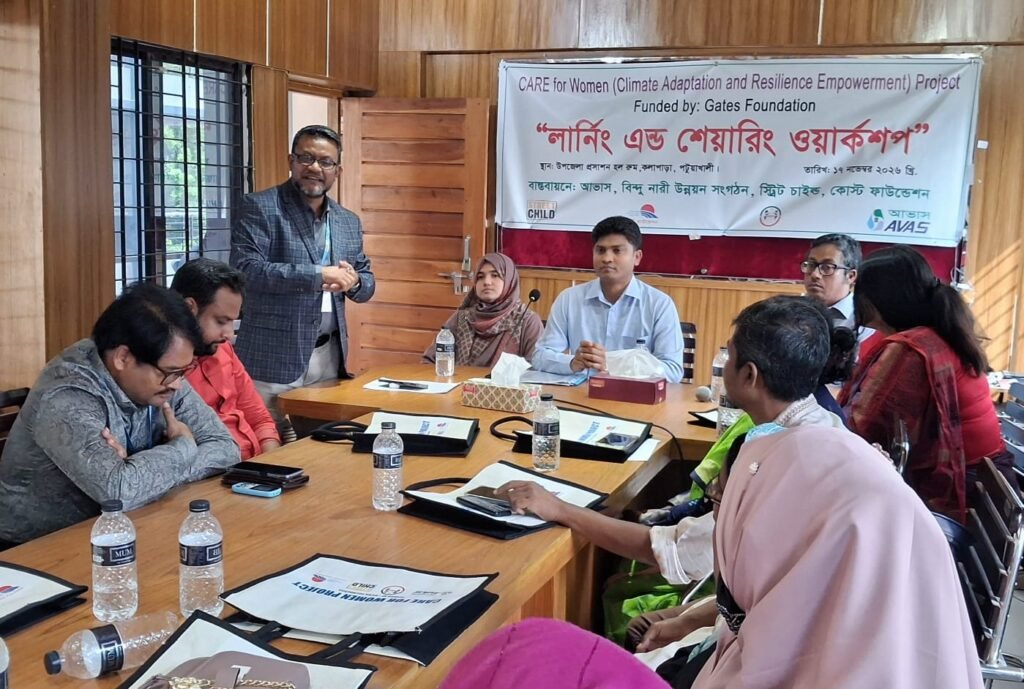
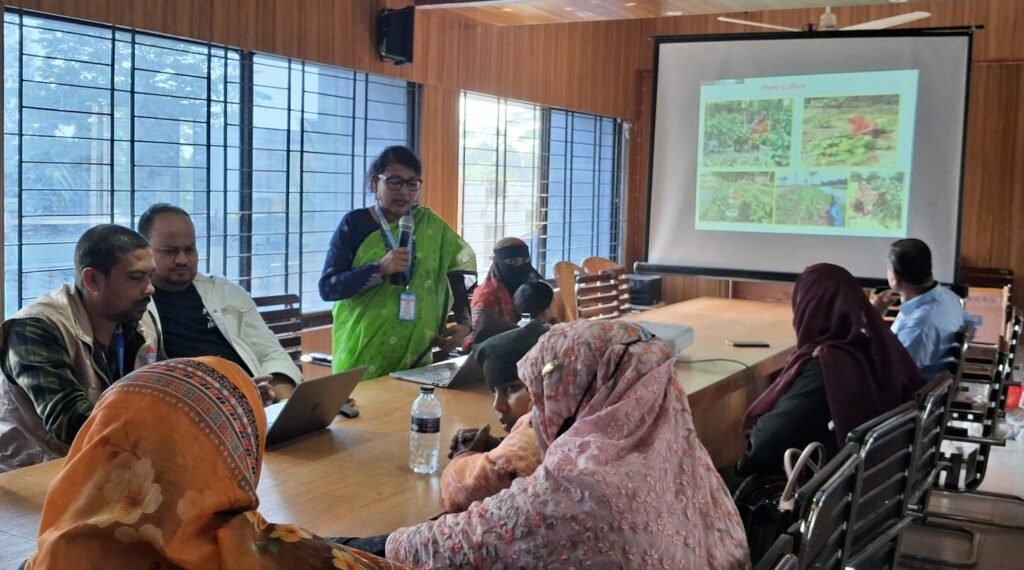
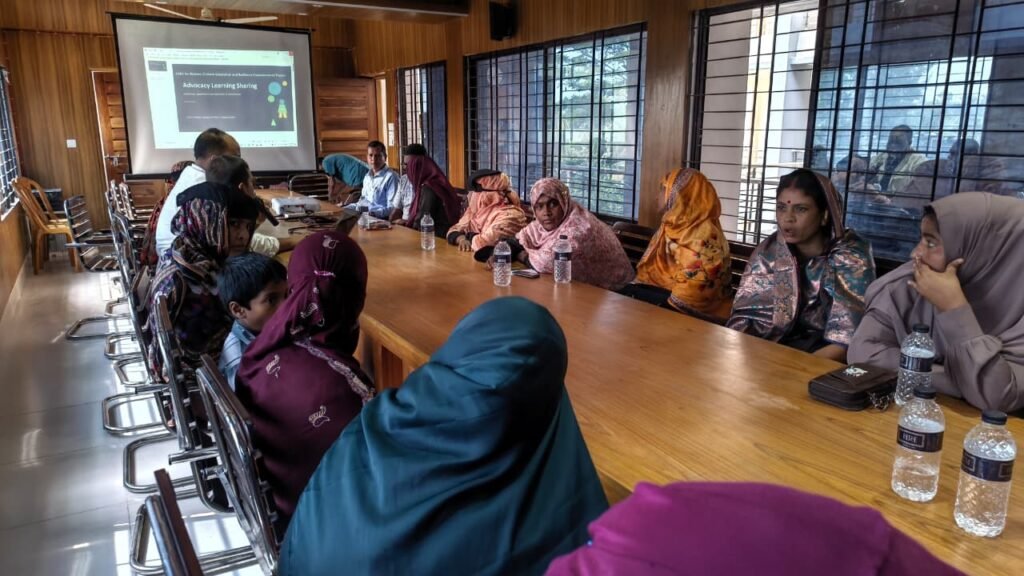
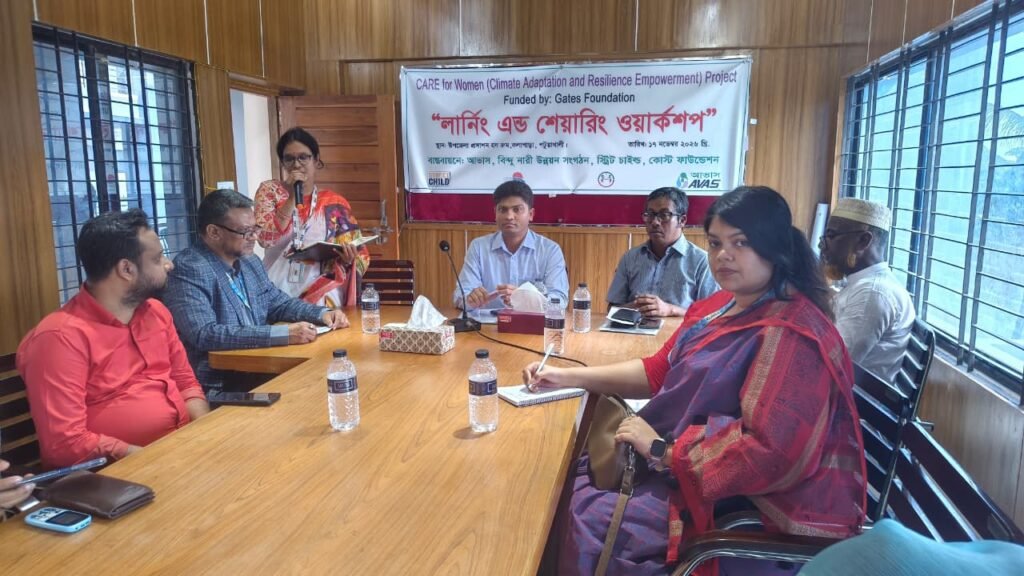
The project is financially supported by the Gates Foundation and jointly implemented by AVAS, Street Child, COAST Foundation, and Bindu Nari Unnayan Sangathan. The workshop aimed to share implementation experiences, achievements, successes, and challenges with women farmers and relevant stakeholders, while identifying opportunities to sustain and strengthen the project’s initiatives.
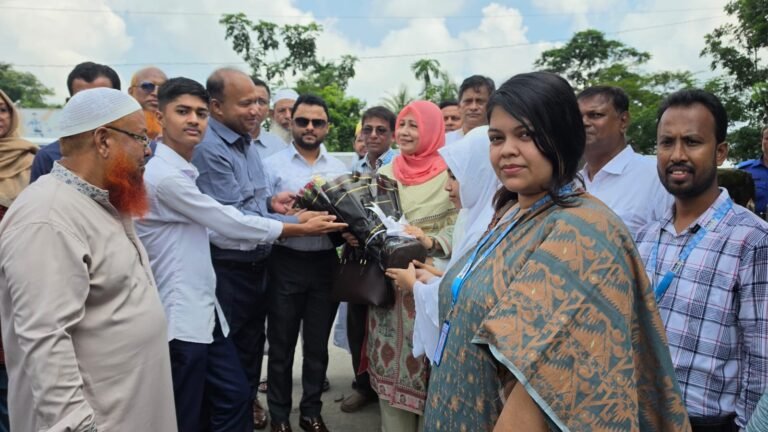
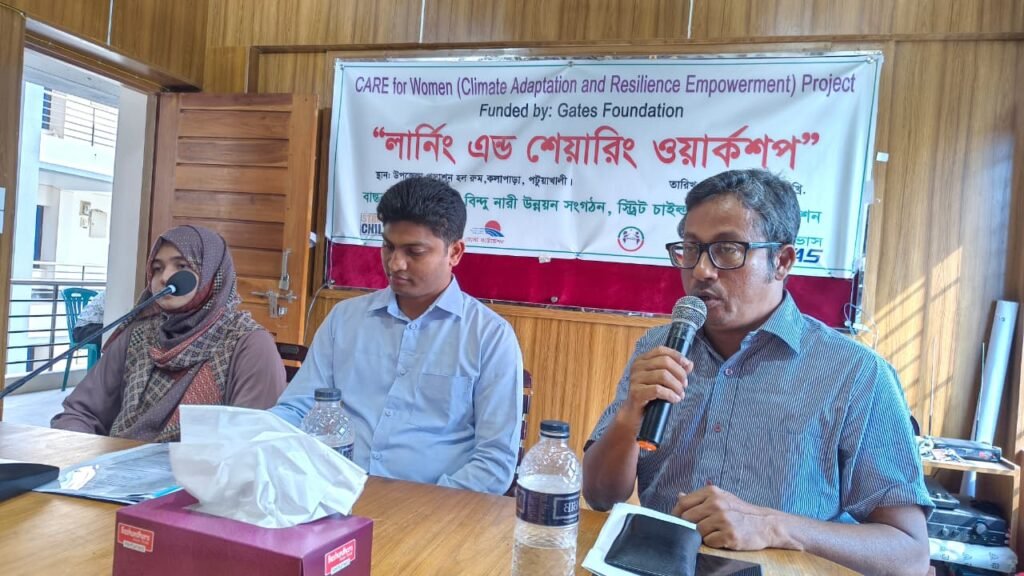
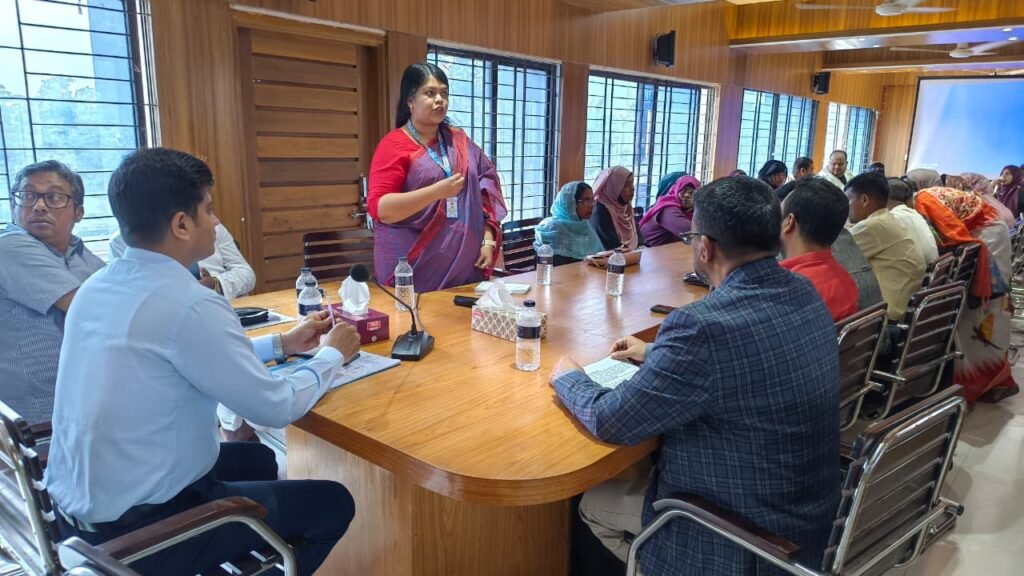
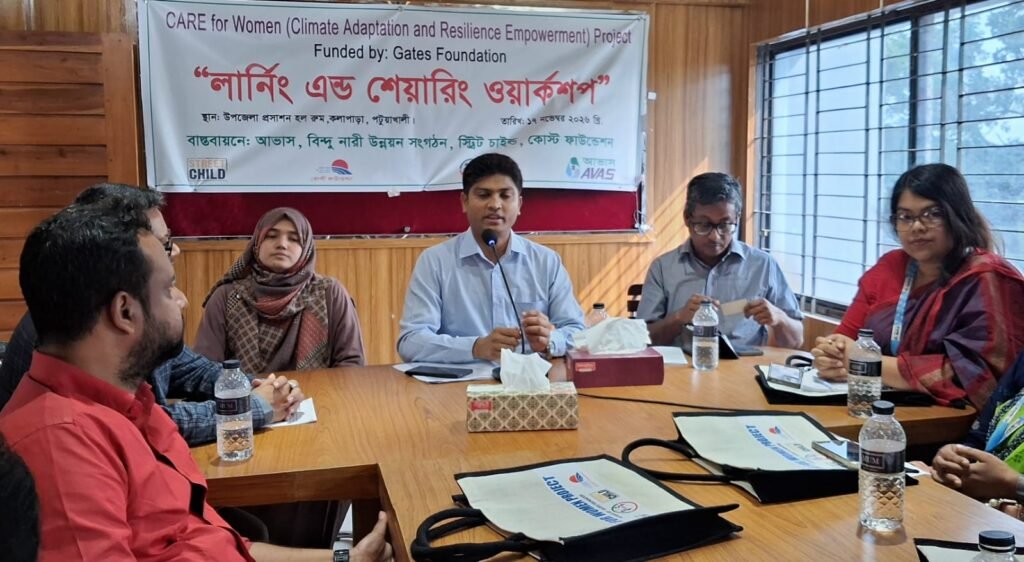
The workshop was attended by Mr. Md. Arifuzzaman, Upazila Nirbahi Officer (UNO), Kalapara, as the Chief Guest. Ms. Rima Akter, Additional Upazila Agriculture Officer, attended as the Special Guest.
Other participants included Ms. Jannatun Nayeem Oishee, Deputy Executive Director of AVAS; Mr. Imtiaz Hridoy, Country Lead of Street Child; Mr. Mohammad Muniruzzaman, CARE for Women Project Focal Person and Manager at AVAS; Mr. Md. Zahirul Islam, District Programme Manager of COAST Foundation; and Mr. S. K. Shawon Ahmed, Media and Communication Officer of Bindu Nari Unnayan Sangathan.
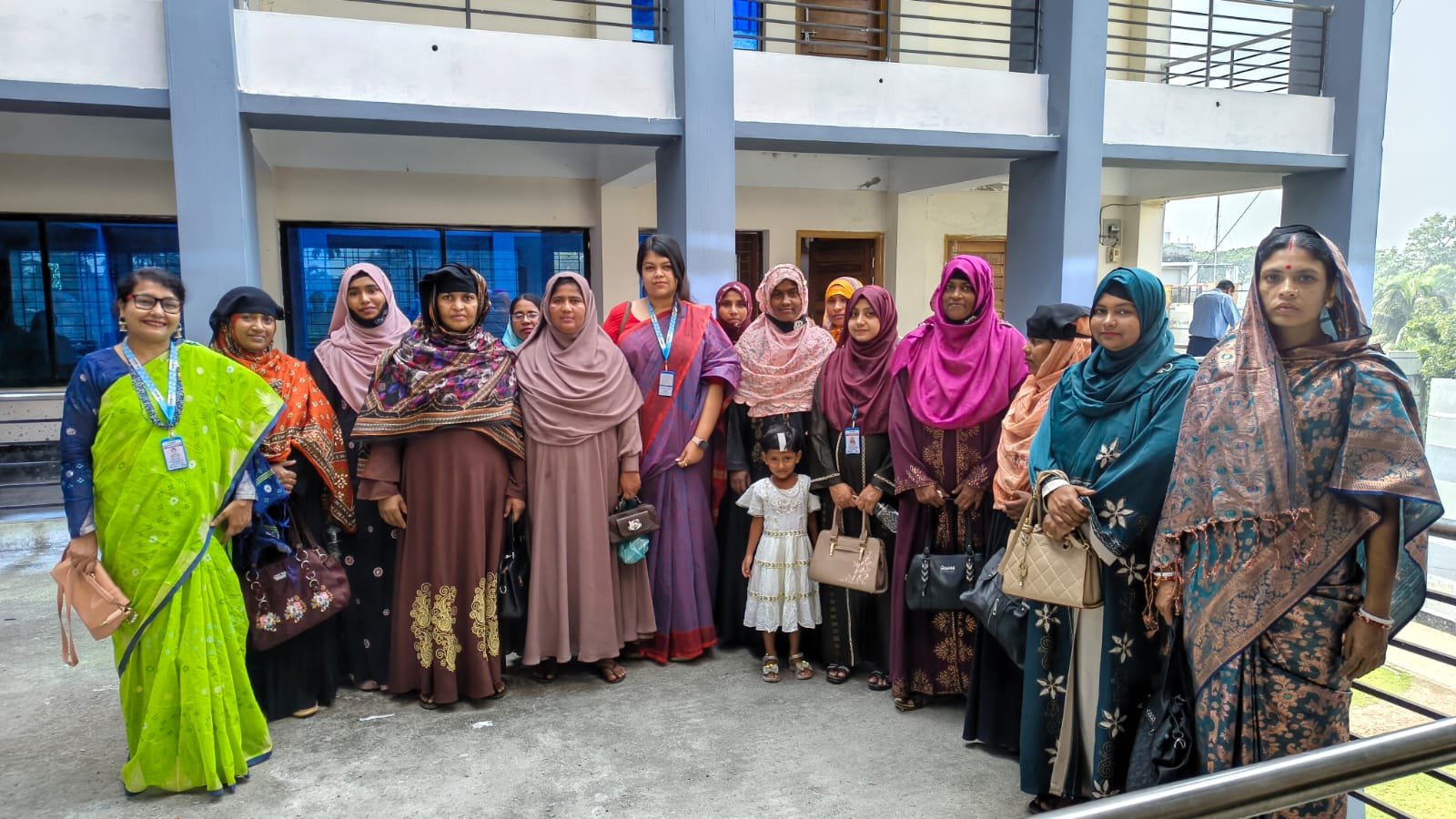
Representatives from various non-governmental organisations, journalists, women farmers participating in the project, AVAS CARE for Women project officials and staff, and field mobilisers also attended the workshop.
Sharing Experiences and Strengthening Climate-Resilient Livelihoods
The workshop provided an opportunity to discuss and exchange experiences on the impacts of climate change on women’s livelihoods and agricultural activities, disaster risk reduction, climate-resilient agricultural practices, women’s economic empowerment, access to government services, institutional linkages, and Self-Help Group (SHG) activities.
Participants also reflected on the positive changes achieved through the project, challenges encountered during implementation, and recommendations for ensuring the continuity and sustainability of the initiatives beyond the project period.
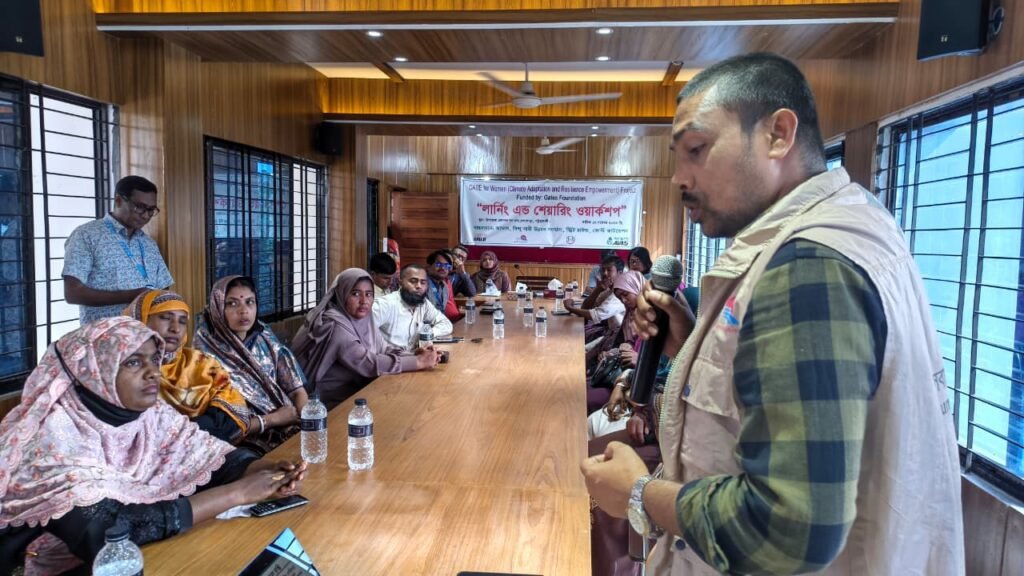
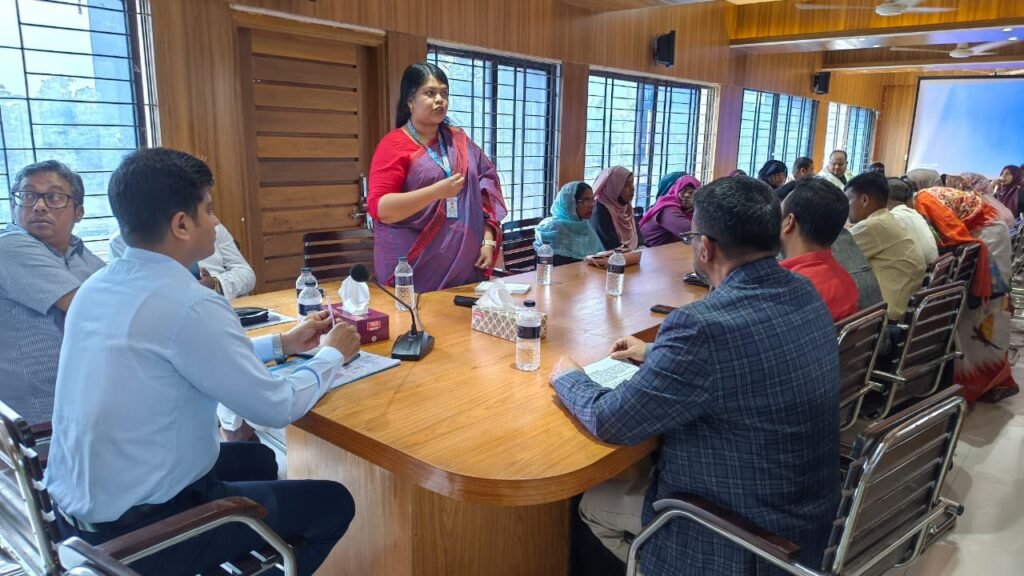
During the session, Ms. Rima Akter, Additional Upazila Agriculture Officer, provided practical information on accessing government agricultural support services. She explained the application process for agricultural cards and available government assistance, including agricultural inputs and other facilities. She encouraged women farmers to maintain regular communication with the Department of Agricultural Extension and actively access the services and support available to them.
Encouraging Women’s Economic Self-Reliance
In his address, Chief Guest Mr. Md. Arifuzzaman, Upazila Nirbahi Officer of Kalapara, encouraged women farmers to undertake small-scale agricultural and business initiatives based on their capacities, resources, and skills to become economically self-reliant.
He emphasized that women should not feel compelled to take large loans at the initial stage of starting a business. Instead, they should make investments based on their repayment capacity and financial circumstances. He highlighted the importance of starting with small capital, increasing income through proper planning, developing savings habits, and gradually expanding their business activities.
Women Farmers Share Their Transformation Stories
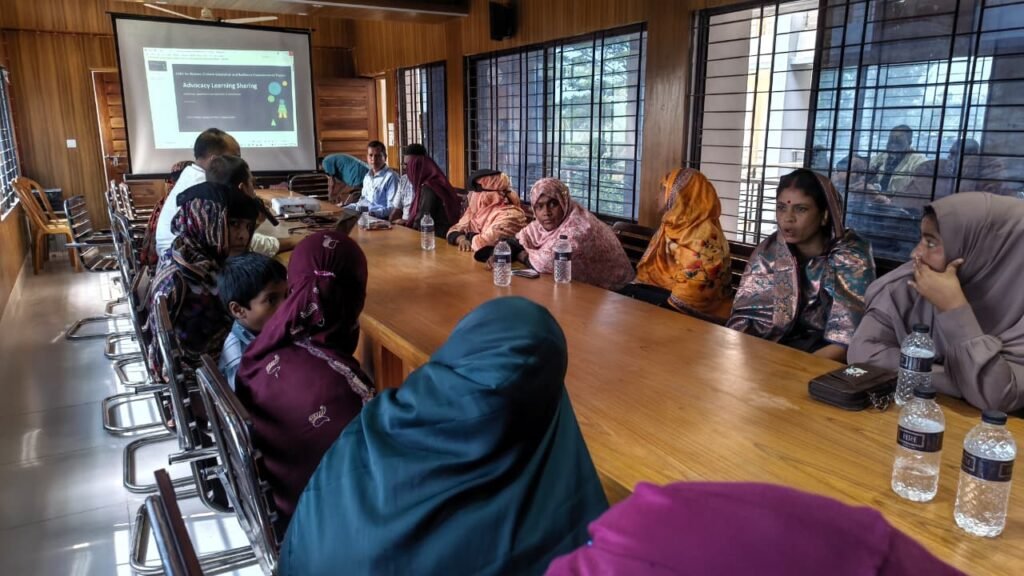
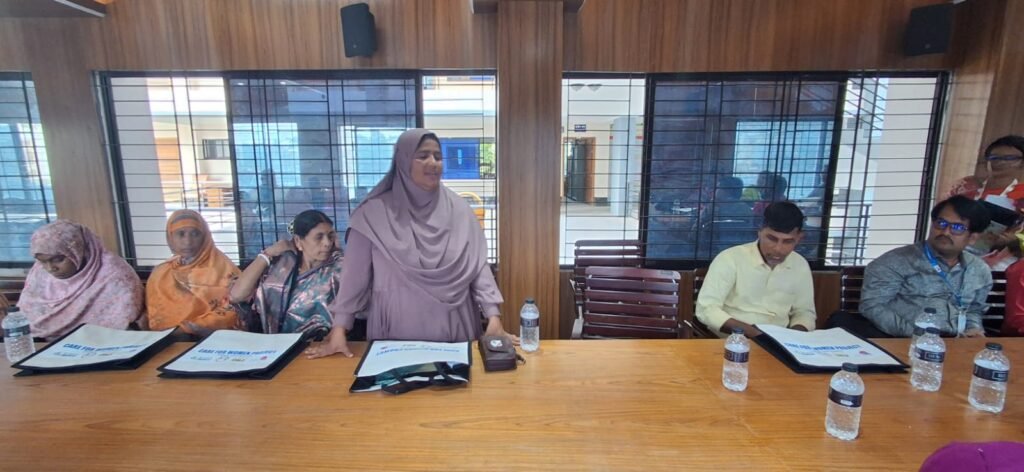
One of the key highlights of the workshop was the experience-sharing session led by women farmers participating in the CARE for Women Project. They shared stories of changes in their lives before and after joining the project, their achievements in agriculture, and the practical experiences they had gained.
They discussed how agricultural training, improved farming techniques, vermicompost production, savings and loan management, and collective initiatives through their groups had contributed to improving their agricultural practices and livelihoods.
The women farmers highlighted that the knowledge, training, and support received through the project had not only enhanced their agricultural skills but also strengthened their confidence and decision-making capacities. They also shared their experiences of dealing with climate-related challenges, existing barriers to agricultural production, and their aspirations to continue and expand their initiatives in the future.
Building Sustainability Through Collaboration
The workshop concluded with a collective emphasis on learning from the project’s experiences and achievements to ensure the continuity of development initiatives led by women farmers. Participants underscored the importance of strengthening effective linkages with government and non-government service providers and promoting sustainable climate-resilient agricultural practices and women’s economic empowerment.
The Learning and Sharing Workshop served as an important platform for recognising the progress of women farmers, exchanging practical knowledge, strengthening stakeholder collaboration, and identifying pathways to sustain the positive changes achieved through the CARE for Women Project.