



Cyclone Preparedness and Evacuation Drills in 2 Unions of Bauphal Upazilla
Supported by

Implemented by

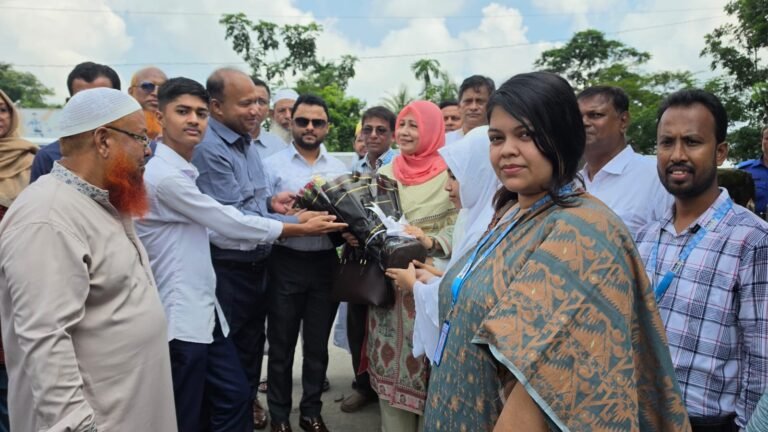
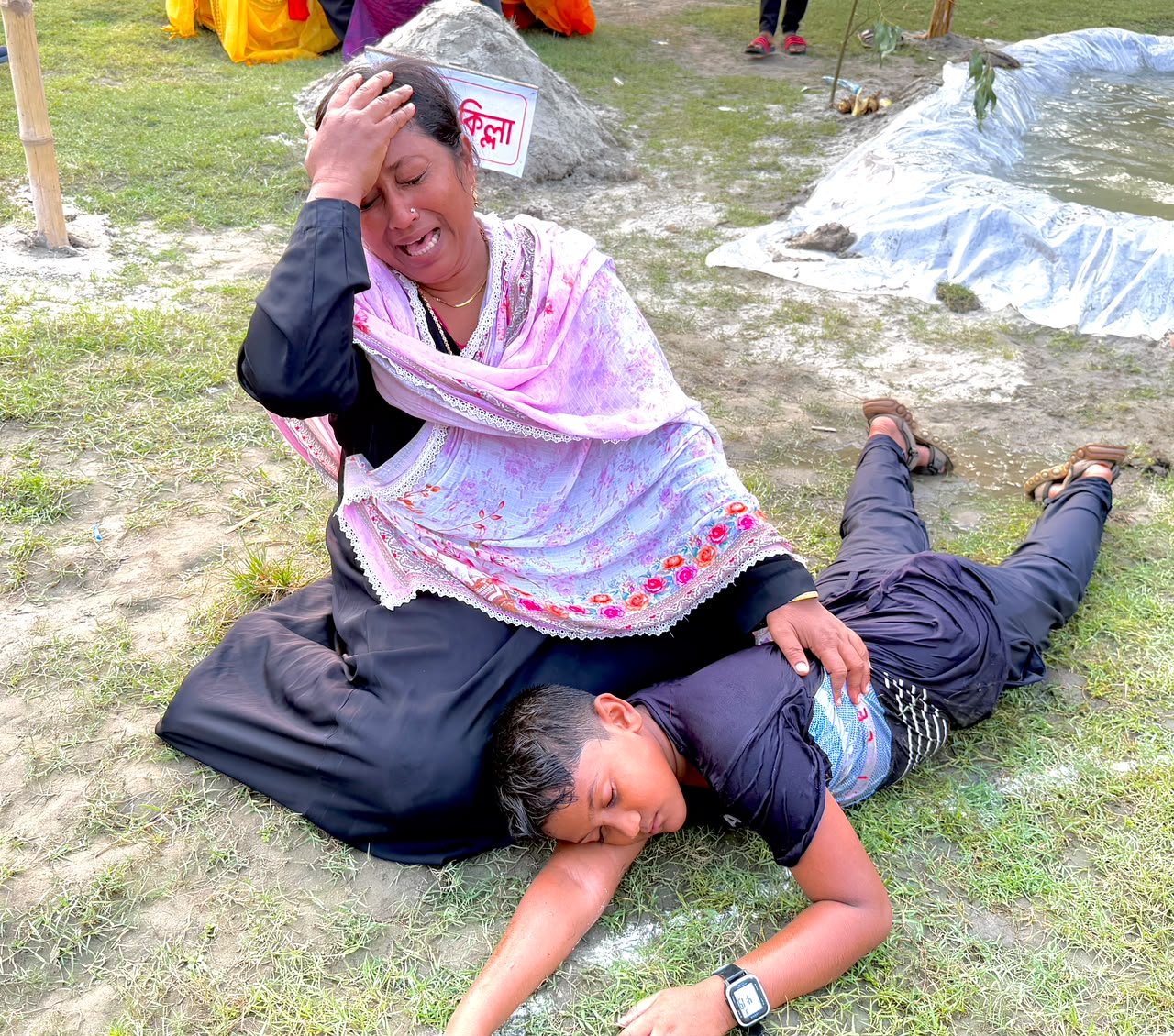
Community members and volunteers practised early warning dissemination, safe evacuation and emergency response during two cyclone preparedness drills organised by AVAS in Bauphal Upazila, Patuakhali, on 4 and 6 October 2026.
The activities took place under the “Cyclone Readiness Project for the Three Most At-Risk, Previously Uncovered Unions in Bauphal and Kalapara Upazilas,” implemented by the Association of Voluntary Actions for Society (AVAS) in collaboration with Start Network.
The drills brought together women, men, young people, community volunteers, local representatives and teachers to practise coordinated action during a simulated cyclone emergency.
Event Information
|
Item |
Details |
||
|---|---|---|---|
|
Activity |
|
||
|
Date |
|
||
|
Location |
|
||
|
Implemented by |
|
||
|
|
||
|
|
Purpose of the Drills
The drills aimed to strengthen the capacity of local communities, volunteers and relevant stakeholders to prepare for cyclones, respond to emergencies and support safe evacuation.
The activities provided opportunities to practise responding to early warnings, moving people from exposed households to designated shelters, assisting people requiring additional support and coordinating rescue activities.
Preparation and Local Coordination
Before the drills, AVAS coordinated with the Upazila Nirbahi Officer and upazila administration, relevant Union Parishads, local representatives, community volunteers, teachers and residents.
Participants received an initial briefing on the purpose of the exercises, planned activities and their respective responsibilities. Each drill followed a simulated cyclone scenario through successive stages of warning, preparation, evacuation and emergency response.
Practising Early Warning and Safe Evacuation
Community volunteers practised disseminating cyclone warnings and helping residents prepare to move to safety. Participants rehearsed evacuation from at-risk households to designated safe shelters.
The exercises emphasised maintaining order, avoiding panic and following safety instructions during evacuation. Volunteers helped organise community members and supported their movement towards shelters.
Prioritizing People Requiring Additional Support
Both drills gave particular attention to assisting women, children, older people, pregnant women and persons with disabilities.
Participants practised providing priority assistance during evacuation and considered the different support needs of community members. These exercises highlighted the importance of including people requiring additional assistance in local preparedness and response arrangements.
Rescue, Communication and Volunteer Responsibilities
The simulated emergency included practical exercises on rescue activities, volunteer responsibilities and the use of necessary rescue equipment.
Volunteers, local representatives and community members also practised exchanging information and working together. Their roles included communicating warnings, mobilising residents, assisting evacuation and supporting rescue operations.
Learning from Practical Exercises
The activity report records increased awareness of cyclone warnings and a clearer understanding of actions to take during an emergency.
Participants gained practical experience in evacuation procedures, assisting people at greater risk and coordinating their response. The drills also helped clarify community volunteers’ responsibilities and reinforced cooperation among residents, volunteers and local representatives.
Through these exercises, AVAS supported community members in translating preparedness information into practical action and strengthening their readiness for cyclone emergencies.