




Women Leading Humanitarian Action: Evidence and Pathways for Change
A day-long discussion on women’s leadership in humanitarian action, evidence, and pathways for meaningful change.
Hotel Six Seasons, Gulshan, Dhaka | SHIFT Asia Project
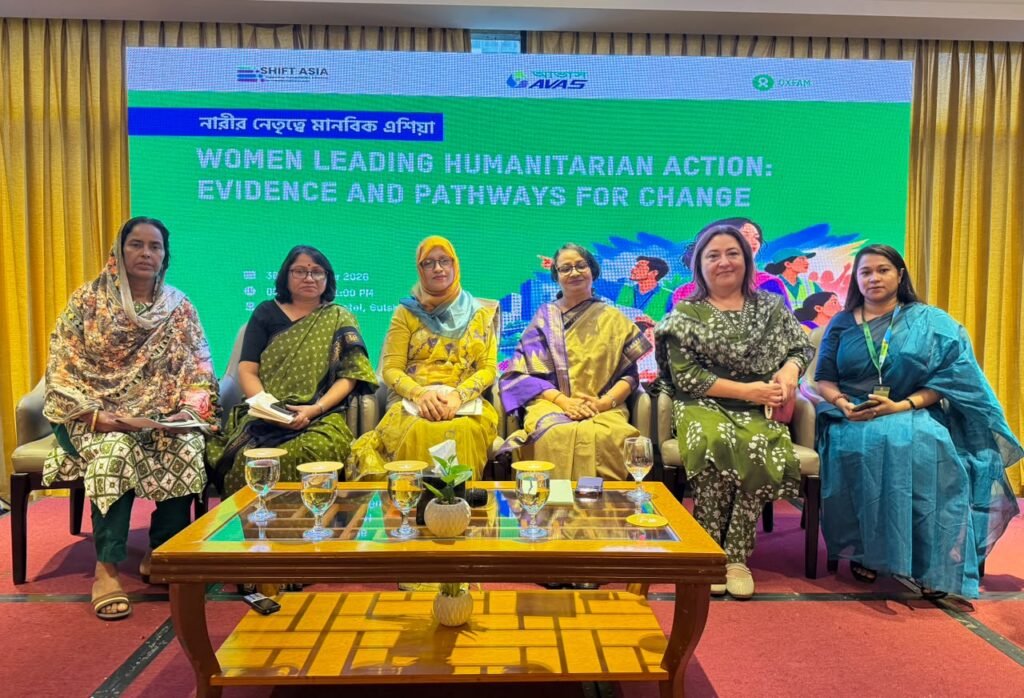
Bangladesh Women Humanitarian Platform (BWHP) and Women Community Leadership Platform (WCLP) organized a day-long discussion titled “Women Leading Humanitarian Action: Evidence and Pathways for Change” at Hotel Six Seasons, Gulshan, Dhaka. The event was jointly implemented by the Association of Voluntary Actions for Society (AVAS) and Oxfam in Bangladesh under the SHIFT Asia Project.
Event Title:
Women Leading Humanitarian Action
Project:
SHIFT Asia Project
Venue:
Hotel Six Seasons, Gulshan, Dhaka
Implemented by:
AVAS and Oxfam in Bangladesh
Event Overview
The discussion focused on women’s leadership in humanitarian action, field-level experiences, research findings, and possible pathways for meaningful change. Participants discussed the importance of women’s leadership, inclusion, evidence-based decision-making, and the active participation of women-led organizations in humanitarian action and disaster management.
Opening and Welcome Remarks
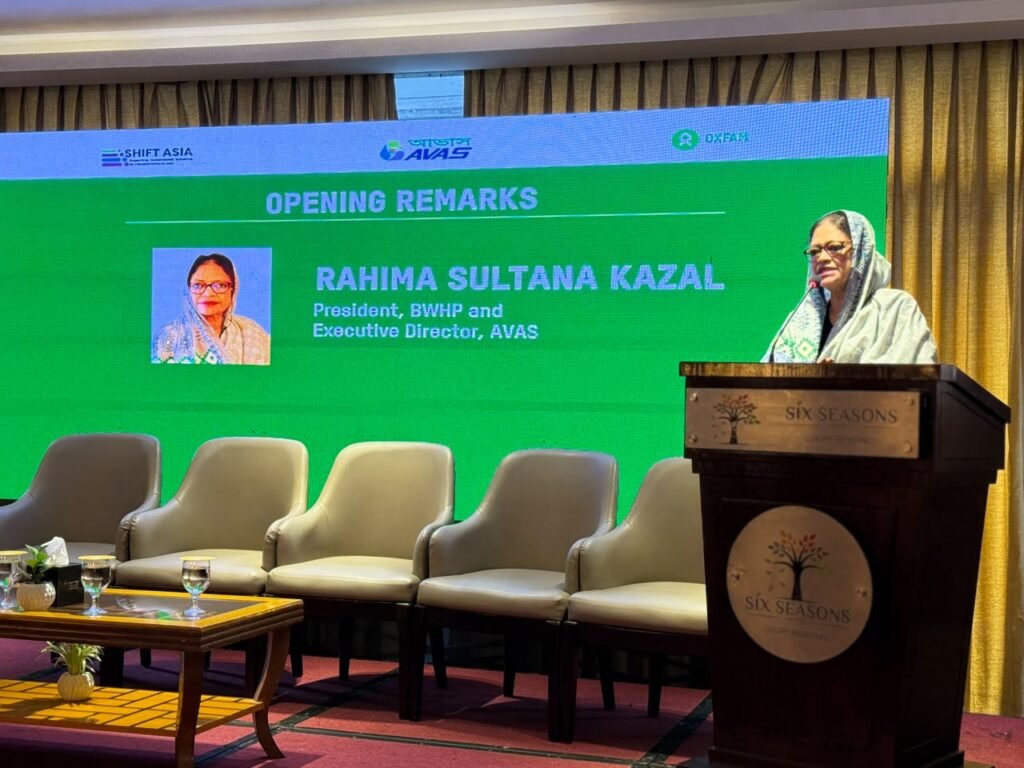
Opening Remarks
The opening remarks were delivered by Rahima Sultana Kajal, Chairperson of BWHP and Executive Director of AVAS.
Welcome Remarks
The welcome remarks were delivered by Atwar Rahman, Interim Head of PMU, Oxfam in Bangladesh.
Research Findings
The research findings and results were presented by Murad Parvez, MEAL Manager, Oxfam in Bangladesh. The presentation highlighted key evidence, learning, and opportunities for strengthening women’s leadership in humanitarian action.
Panel Discussion
The panel discussion was hosted by Shariful Islam, Head of Influencing, Communication, Advocacy and Media, Oxfam in Bangladesh.
Panel speakers included:
Special Remarks
Special Remarks
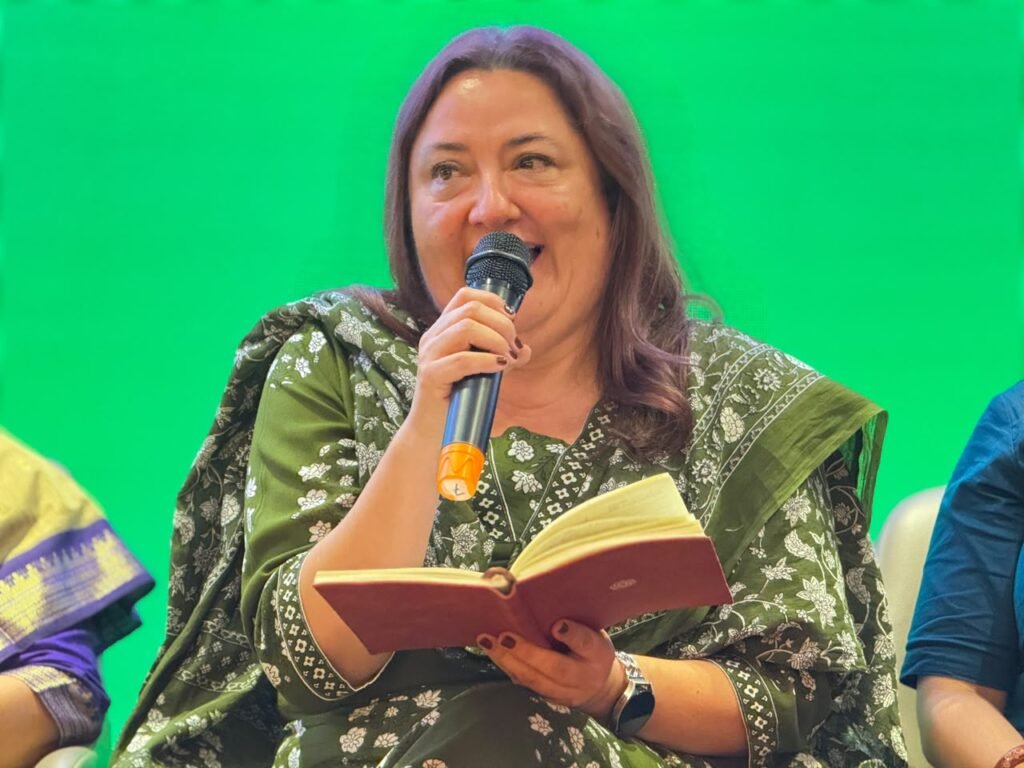
A special remark was delivered by Pilar Pacheco, Senior Program Officer, Gates Foundation. She emphasized the importance of recognizing women’s leadership and strengthening inclusive humanitarian systems.
Recommendations for SOD Inclusion
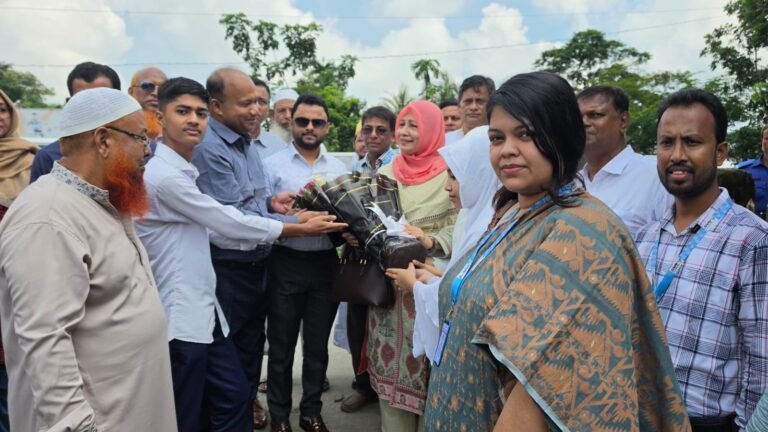
At the end of the panel discussion, BWHP and WCLP handed over a set of recommendations on women’s leadership, inclusion, and meaningful participation in disaster response to Sanjida Yasmin, Deputy Secretary of MoDMR, for consideration in the Standing Orders on Disaster (SOD).
Photo Gallery
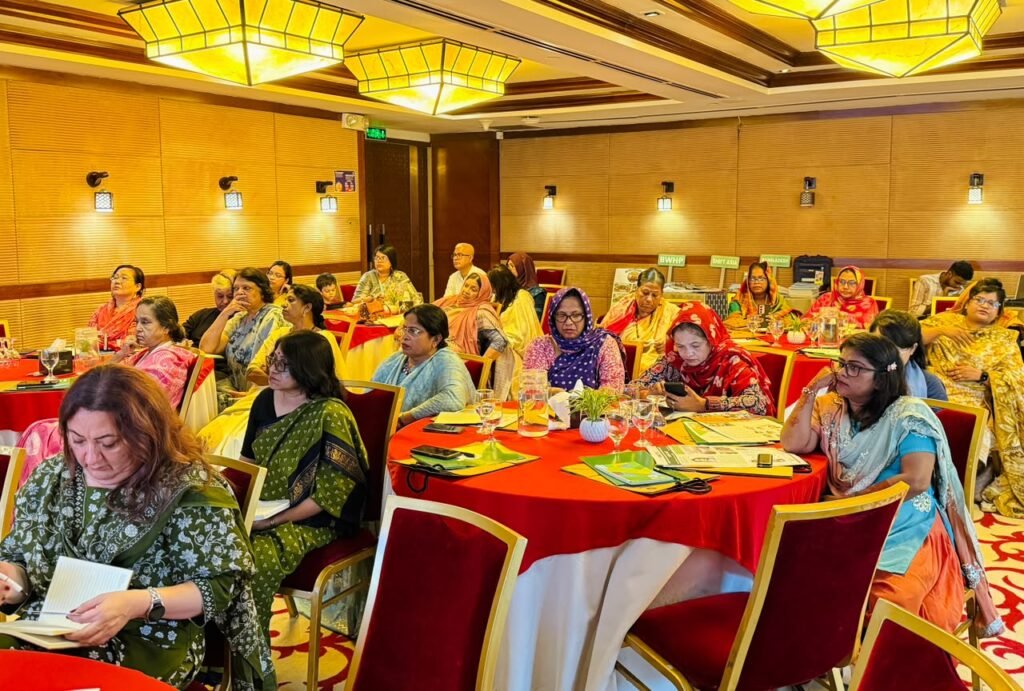
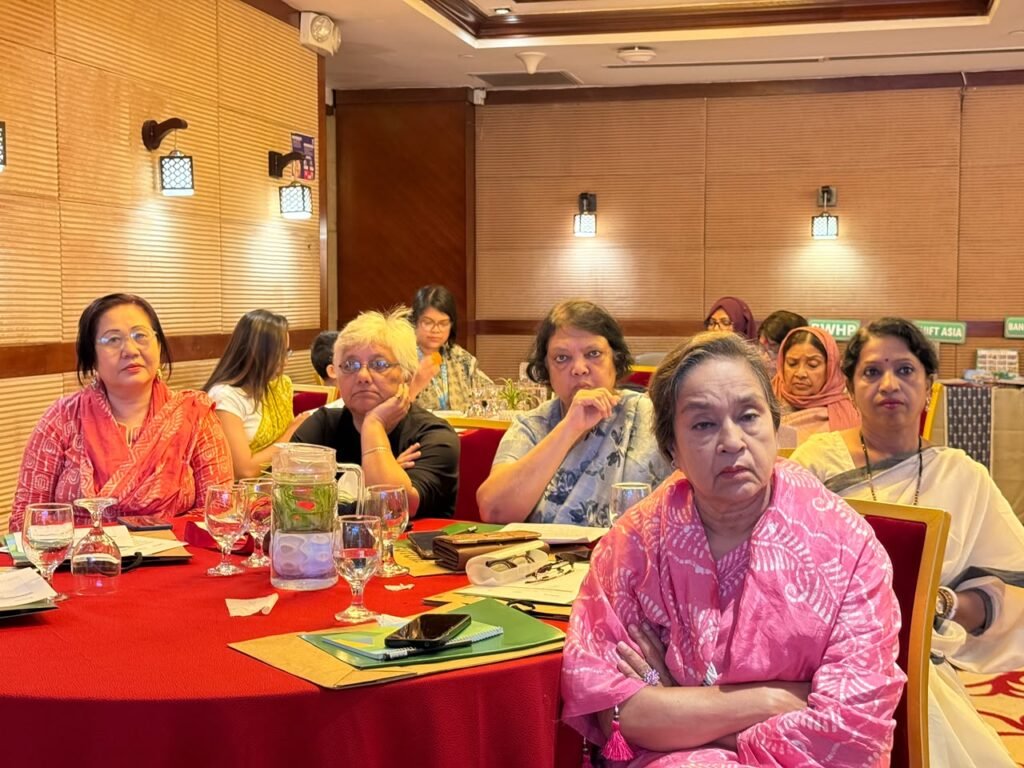
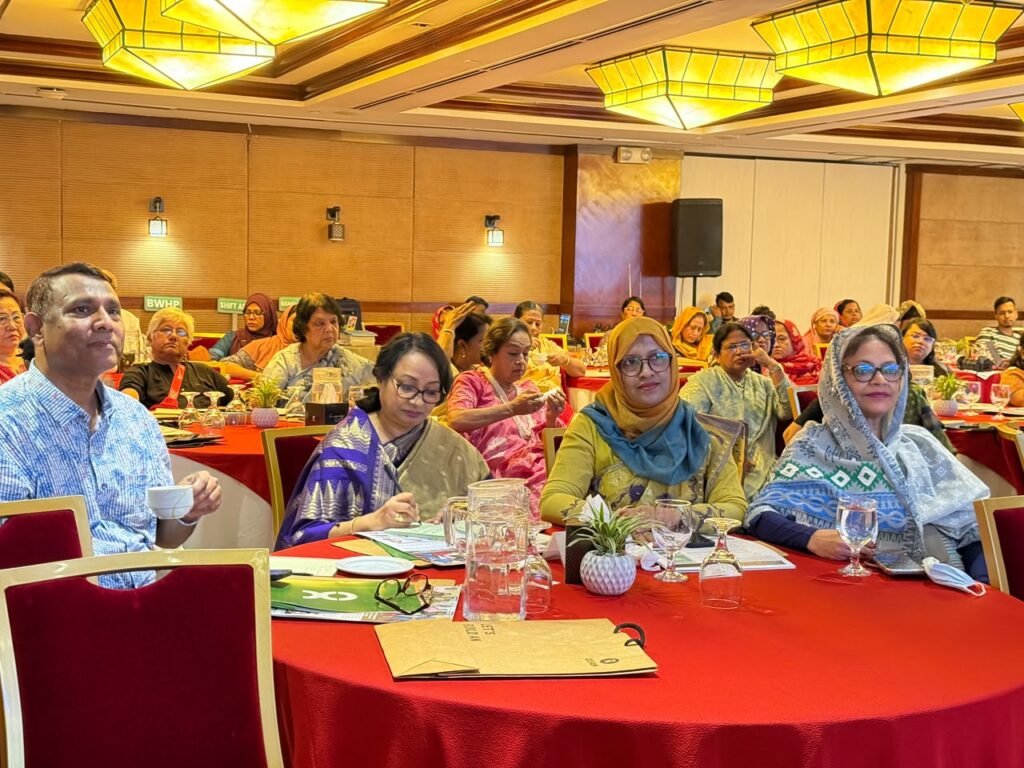
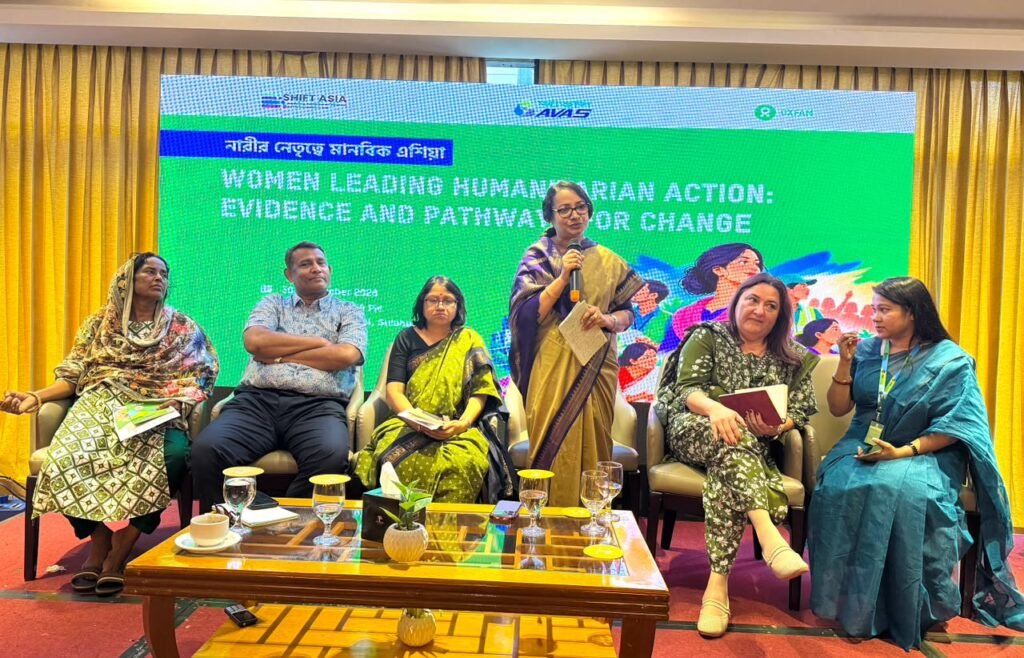
Way Forword
The event created an important space for dialogue among women leaders, humanitarian actors, researchers, government representatives, and development partners. The discussion reinforced the need for women’s meaningful leadership and participation in humanitarian action, disaster risk reduction, and policy-level decision-making.